- Details
- By Brian Edwards
- Finance
A federal judge has awarded $1.27 million to a Native community development financial institution (CDFI) in a fraud case tied to a failed tribal energy venture, finding that key representations used to secure a $1.5 million loan were false.
In a March 31 order following a bench trial, the U.S. District Court for the District of South Dakota, in an opinion by U.S. District Judge Karen E. Schreier, found that Highland Park Management LLC and its principal, L. Steven Haynes, made multiple misrepresentations to St. Paul, Minn.-based Indian Land Capital Company (ILCC) during 2016 loan negotiations.
ILCC provided bridge financing for a proposed propane distribution business, with repayment expected through a planned $22 million bond issuance. The court found that Haynes misrepresented that the bonds were fully subscribed, overstated tribal participation and provided inaccurate information about how loan proceeds would be used.
Instead, a substantial portion of the funds was diverted to management fees, prior debts and unrelated expenses, with only a small amount used for propane purchases, according to the order. The court concluded the representations were made knowingly or with reckless disregard for the truth and that ILCC relied on them in approving the loan.
“ILCC relied on those representations to its detriment and suffered damages,” Schreier wrote. “Haynes is therefore liable for fraud under South Dakota law.”
The court awarded ILCC $1,020,750 in compensatory damages and an additional $250,000 in punitive damages, finding the defendants’ conduct reflected a “sustained pattern of deception” and a conscious disregard for the lender’s financial interests.
The loan ultimately failed after the anticipated bond financing did not materialize, leading to the borrower’s default and losses for ILCC.
The ruling centers on fraud claims and does not resolve all aspects of the broader litigation, which also included breach of contract and racketeering allegations filed in 2021.
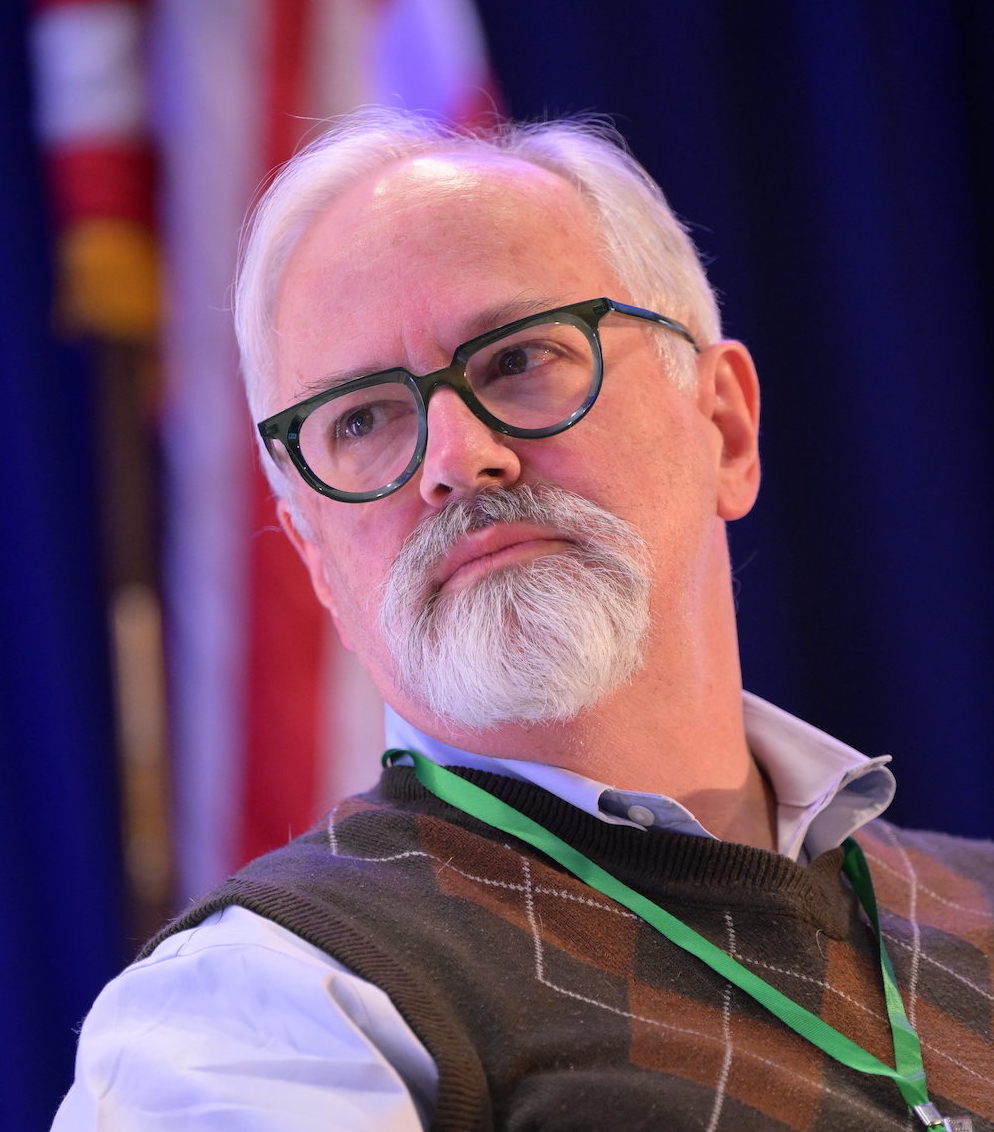
Cris Stainbrook, CEO of Minnesota-based Indian Land Capital Company, said he was pleased with the ruling and emphasized that the case was not about recovering the money but about documenting and proving the defendant’s fraud and making the findings public.
He said ILCC declined settlement discussions and pushed for a ruling to get the details on the record. “This wasn’t about money,” Stainbrook said, adding that the goal was to “get it out there so people could understand this thing.”
He said any proceeds will be returned to ILCC’s lending pool and deployed to support Native-led projects, keeping the capital working in Indian Country.
Tribal Business News reached out to the attorney for Highland Park Management and Haynes, but had not heard back when this story was published.