


Opinion | Op-Ed
- Details
- By Thomas Stratmann
- Opinion | Op-Ed

- Type: Default
- Paywall Status: Free
- Reader Survey Question: No Question
Guest Essay. In the summer of 2019, a fire started along Interstate 5 in southern Oregon, at a spot the highway signs mark as Milepost 97. It burned into the forest that the Cow Creek Band of Umpqua Tribe of Indians had regained only the year before, when Congress placed more than 17,000 acres of the tribe’s ancestral homeland in trust for it.1 The fire destroyed about 3,600 of those acres and damaged more than 45 million board feet of timber.
- Details
- By Rod Wilson, Ph.D.
- Opinion | Op-Ed
- Type: Default
- Paywall Status: Protected
- Reader Survey Question: No Question
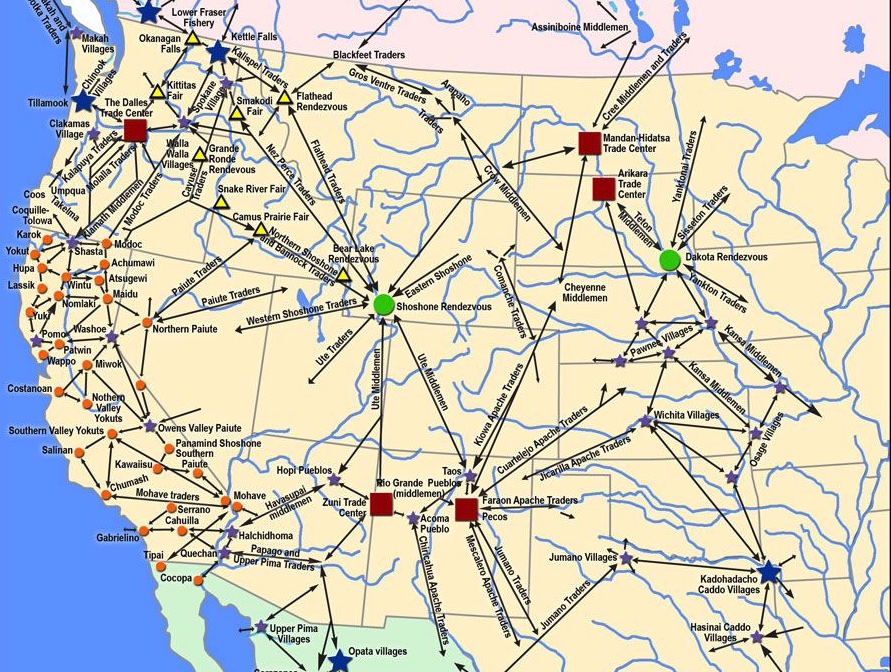
Guest Opinion. The U.S. House’s unanimous passage of the Native American Entrepreneurial Opportunity Act is being treated, understandably, as a small-business story.
- Details
- By Ron Wood
- Opinion | Op-Ed
- Type: Default
- Paywall Status: Protected
- Reader Survey Question: No Question
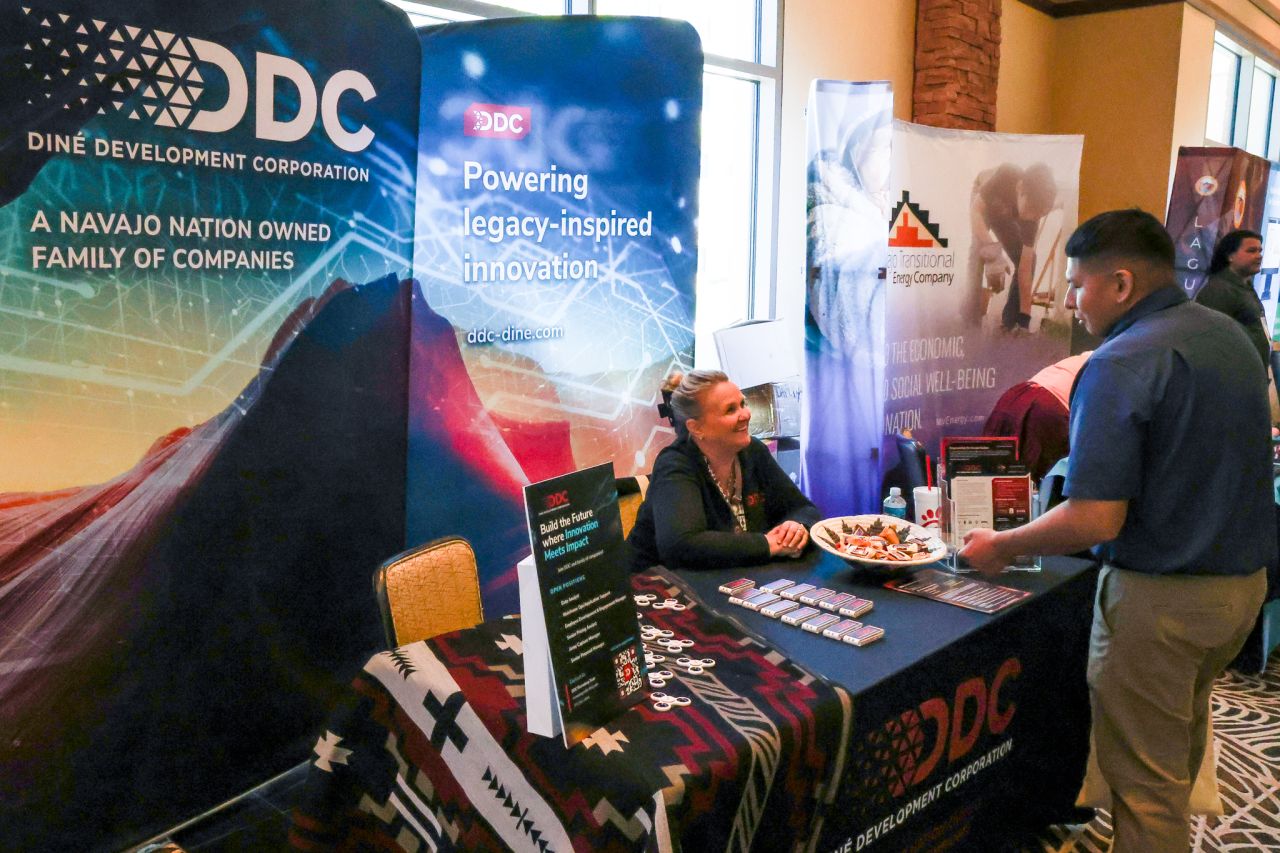
Guest opinion. Not long ago, Diné Development Corporation, a Navajo Nation-owned enterprise, was under such financial strain that making payroll wasn’t guaranteed. Today, it employs hundreds of people and competes in some of the most demanding areas of federal IT and cybersecurity contracting.
- Details
- By Jason Robison
- Opinion | Op-Ed
- Type: Default
- Paywall Status: Free
- Reader Survey Question: No Question
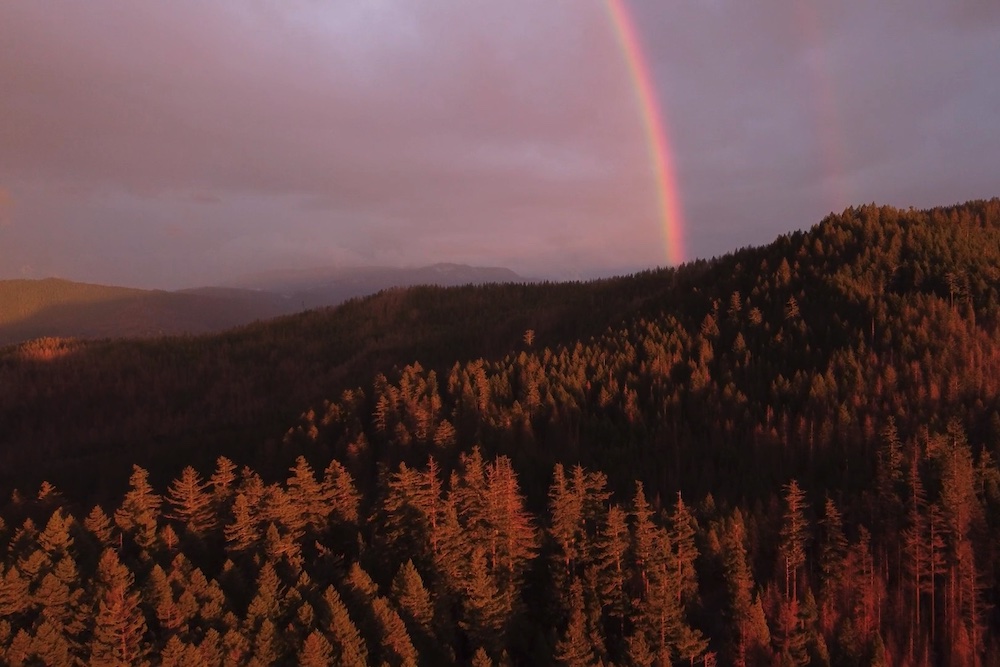
Guest Opinion. Tribal nations, America’s original land stewards, are facing a legislative hurdle that could severely restrict their ability to manage 19.3 million acres of trust forest lands.
- Details
- By Thomas Stratmann
- Opinion | Op-Ed
- Type: Default
- Paywall Status: Protected
- Reader Survey Question: No Question
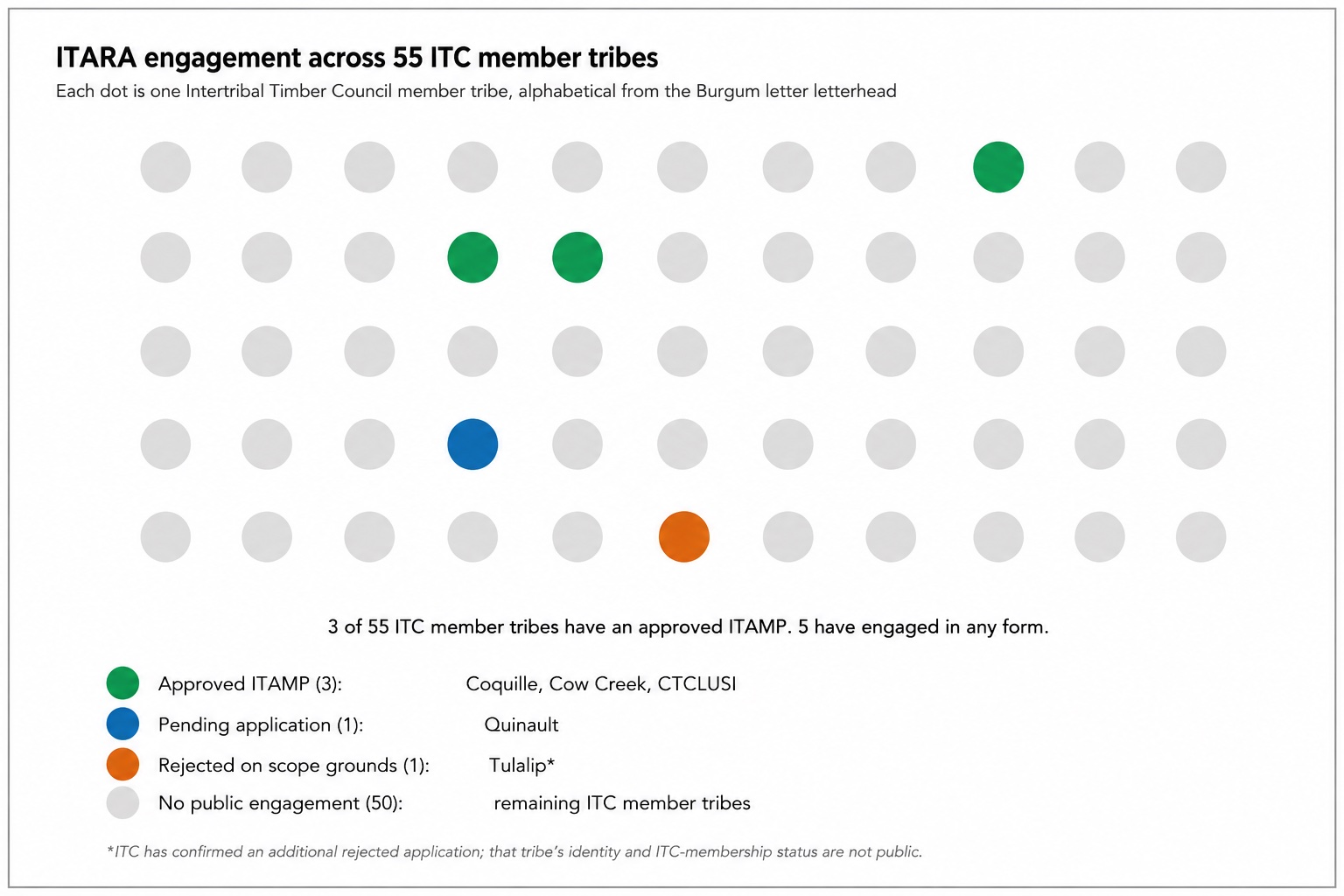
Guest Essay. Of the 55 tribes in the Intertribal Timber Council, only three have approved Indian Trust Asset Management Plans in the ten years since ITARA passed.
- Details
- By Thomas Stratmann
- Opinion | Op-Ed
- Type: Default
- Paywall Status: Protected
- Reader Survey Question: No Question
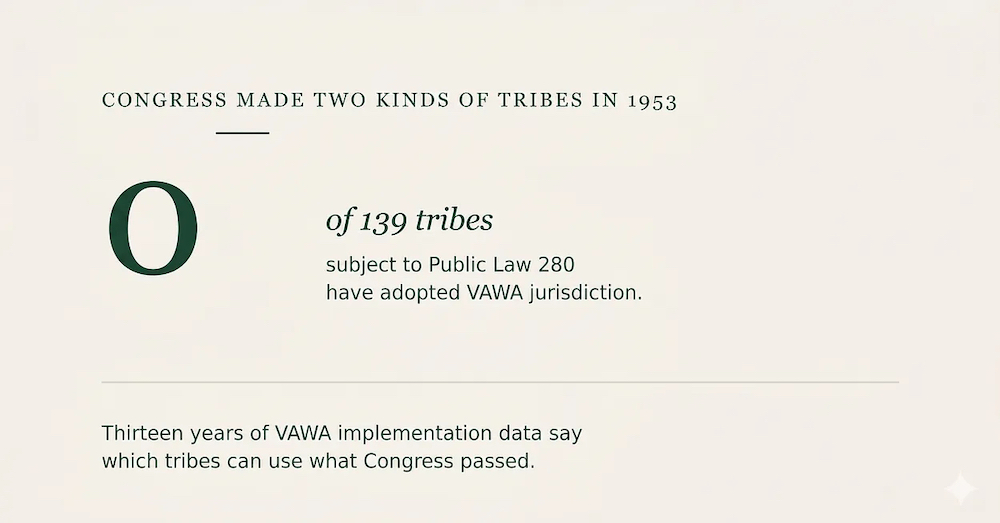
Guest Essay. A non-Native man in tribal custody at the Quapaw Nation jail had a heart attack. Tribal staff called an ambulance. He was treated at the local emergency room. The bill came back at $25,000.
- Details
- By Casey Lozar, Center for Indian Country Development
- Opinion | Op-Ed

- Type: Default
- Paywall Status: Protected
- Reader Survey Question: No Question
Blending historical approaches with modern data applications, tribal leaders and organizations set the stage for the next decade of economic data innovations.
- Details
- By Thomas Stratmann
- Opinion | Op-Ed
- Type: Default
- Paywall Status: Free
- Reader Survey Question: No Question
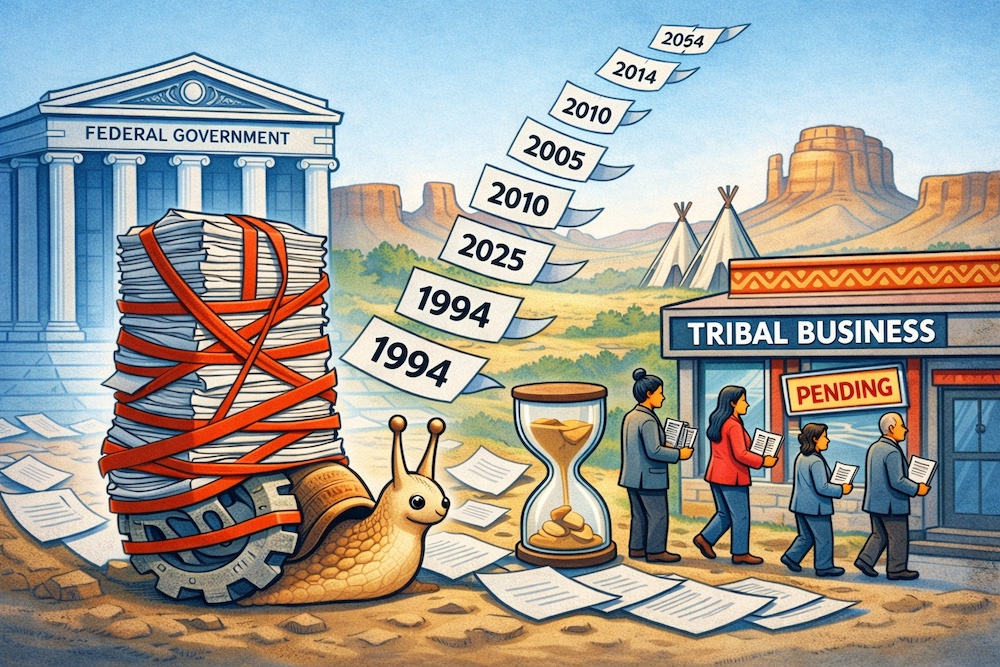
Guest Essay. Last month, the Treasury Department finalized two regulations that tribal leaders have sought for decades—one confirming that tribal general welfare benefits aren’t taxable income for recipients, and the other clarifying that wholly owned tribal business entities share their tribe’s tax-exempt status.
- Details
- By Jessica Auer, ILSR
- Opinion | Op-Ed
- Type: Default
- Paywall Status: Protected
- Reader Survey Question: No Question
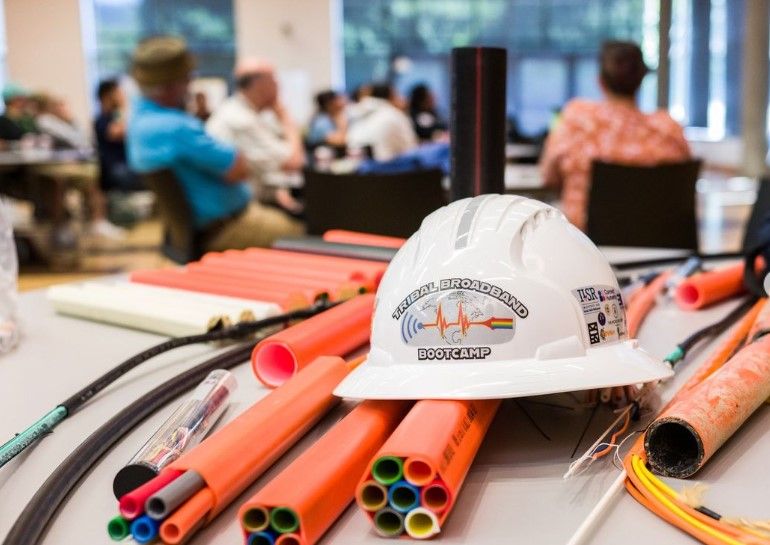
Guest Opinion. The future of tribal broadband has quietly but fundamentally shifted over the last few months.
- Details
- By Kim Pate, NDN Fund
- Opinion | Op-Ed
- Type: Default
- Paywall Status: Protected
- Reader Survey Question: No Question
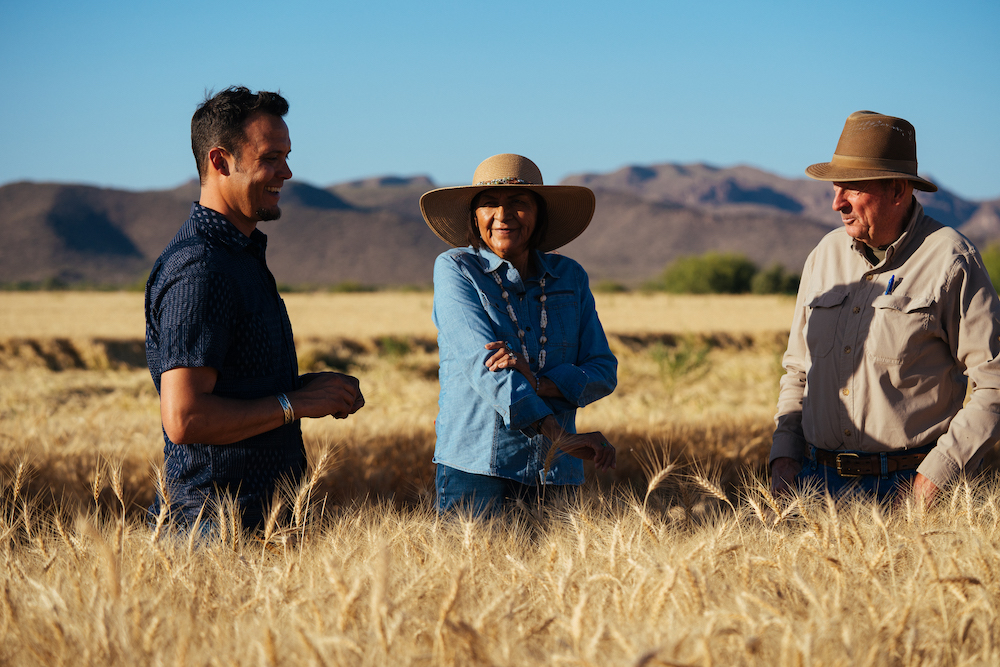
Guest Opinion. Seven years ago, when NDN Fund set out to finance large-scale loans across Indian Country, the LandBack movement was a growing rallying cry for the return of land to Indigenous hands. Today, it thunders as a full-throated demand for justice, especially now that federal funding for community-driven investment is in peril. It's more than a slogan — it's a profound indictment of America's extractive land ownership model, born from centuries of genocide against Indigenous peoples.