- Details
- By Chez Oxendine
- Real Estate
A bipartisan group of lawmakers is making a push in the House and Senate to update the federal government’s primary Native housing law, moving companion bills to reauthorize and modernize the Native American Housing Assistance and Self‑Determination Act — commonly known as NAHASDA — through 2033.
The effort comes as Congress debates broader housing legislation, but lawmakers and tribal housing groups say those proposals do not address the distinct barriers to development in Indian Country.
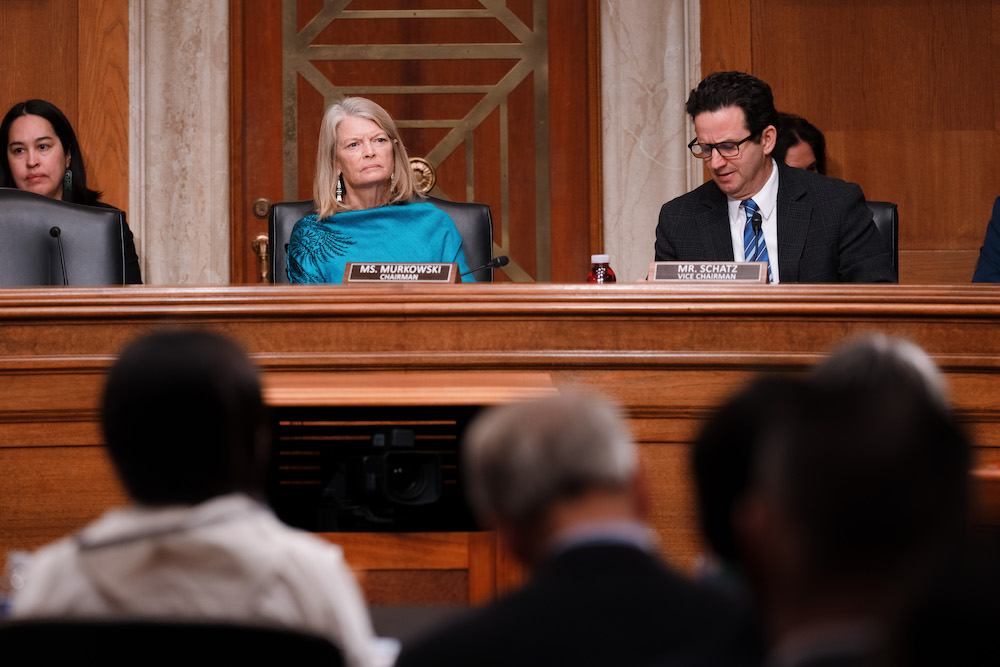
Rep. Troy Downing (R-Mont.) introduced the House bill with Rep. Janelle Bynum (D-Ore.) as co-lead on Thursday. Sens. Lisa Murkowski (R-Alaska) and Brian Schatz (D-Hawaii) introduced a companion measure in the Senate on Friday.
The bills would extend NAHASDA’s two major block grants and add updates tribal housing authorities, Alaska Native villages and Native Hawaiian organizations have sought for years.
Congress has taken up multiple versions of NAHASDA reauthorization efforts in recent years, but those efforts have repeatedly stalled. The law has not been updated since 2008 and has operated without formal authorization since 2013, though Congress has continued to fund its programs.
The timing is deliberate, Murkowski said in a statement. It marks the 30th anniversary of the original law, which reshaped federal housing policy in Indian Country by shifting control to tribal governments.
“As Congress continues its efforts to address housing challenges around the country, we cannot leave Native communities behind,” Murkowski said. “By cutting red tape and providing greater flexibility, we can help communities provide housing that fits their unique needs and supports long-term stability.”
Tribal housing groups say existing legislation does not address the unique obstacles in Indian Country, where land status, infrastructure gaps and limited access to private financing slow development. The new measure is being positioned as the targeted fix.
The bill would mark a significant shift in federal housing policy for tribes, said Rudy Soto, executive director of the National American Indian Housing Council, who called it “landmark” legislation that ensures tribes are “at the table” and brings parity with other HUD programs.
The proposal keeps NAHASDA’s core structure in place. The Indian Housing Block Grant and the Native Hawaiian Housing Block Grant would both be reauthorized through 2033, giving programs a longer planning window after years of short‑term extensions. Lawmakers say the longer authorization provides stability for projects that can take years to assemble land, infrastructure and financing for new housing.
Much of the bill focuses on streamlining federal requirements that slow construction. It consolidates environmental reviews across federal funding sources, sets a 60‑day deadline for HUD to act on waiver requests and creates exemptions for small projects, rehabilitation work and activities in remote areas. Tribes and the Department of Hawaiian Home Lands would be able to make their own determinations on certain environmental steps, reducing duplicative reviews by other agencies.
“Our bill reflects what Native communities asked for: better tools and flexibilities to make homeownership and stable housing a reality for more families,” Schatz said in a statement. The bill also expands tribal control over procurement, rent policies and program design. Tribes and tribally designated housing entities could adopt their own procurement rules and set rent or homebuyer payment policies that exceed HUD’s standard 30% of income. Supporters say those changes reflect conditions in rural and high‑cost communities where federal formulas often fall short.
“It allows them to modernize and update their rules, regulations and policies … to adapt to changing realities on the ground,” Soto told Tribal Business News. “Without this modernization, outdated requirements limit flexibility and slow progress as housing needs have grown into a crisis.”
Homeownership access is another focus. The bill raises income eligibility for certain homeownership activities to 120% of area median income and clarifies lease‑to‑own pathways for families already living in rental units. It also updates the Section 184 and 184A loan guarantee programs — often the only mortgage tools available on trust land — to include Native Community Development Financial Institutions, which play a central role in many tribal communities.
“That’s really meaningful for us,” Soto said. “There are a lot of banks in rural America and near reservations that just don’t have a brick-and-mortar presence anymore … so Native CDFIs in many tribal communities are the only thing in town. Strengthening that Native-led lending infrastructure … is going to make it to where there’s more homeownership opportunities.”
Native veterans and citizens experiencing homelessness would see new support. The bill permanently authorizes the Tribal HUD‑VASH program and sets aside dedicated resources for Native veterans. It also creates pilot programs for Native people experiencing homelessness and expands access to the federal Continuum of Care program.
Other provisions also span the law’s core programs. The bill includes a 99‑year leasehold option for housing on trust land, streamlined reporting requirements, expanded access to housing counseling grants and coordination with the Department of Defense’s Innovative Readiness Training program.
Tribal leaders say the overhaul is long overdue.
“Our message to Congress is clear: the time to reauthorize and modernize NAHASDA is now,” Mark Macarro, president of the National Congress of American Indians, said in a statement. “This legislation honors the legal federal trust responsibility while empowering tribal nations to govern themselves and build the homes their communities urgently need. Tribal nations will not stop until Congress gets this done.”