- Details
- By Brian Edwards
- Native Contracting
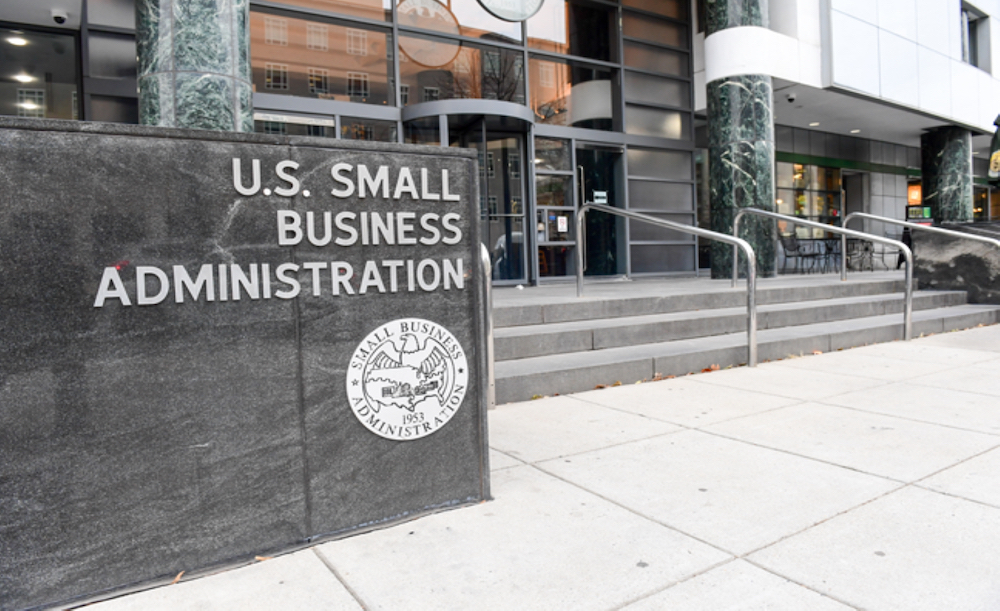
The U.S. Small Business Administration on Friday directed every firm in the 8(a) Business Development Program to submit detailed financial records within 30 days, expanding a federal examination of a contracting system that plays a central economic role for tribes, Alaska Native Corporations and Native Hawaiian Organizations.
SBA sent notices to roughly 4,300 companies requiring three years of general ledgers, bank statements, payroll registers, employment records, and subcontracting agreements by Jan. 5 or risk losing access to the program, according to the SBA’s statement on the matter.
The mandate accelerates an audit SBA launched in June to determine whether some contractors used 8(a) status to obtain sole-source awards while passing most work to other firms. The effort has gained urgency after recent allegations of pass-through structures and bribery schemes in federal procurement.
Native-owned firms are among the largest and most active participants in the 8(a) program, which has become a core source of federal revenue and business growth for tribal nations. With tribal enterprises securing more than $23 billion in contract awards in fiscal 2023, per prior Tribal Business News reporting, SBA is sharpening its focus on how 8(a) firms structure and perform their contracted work.
That growth is drawing increased scrutiny from federal regulators. In October, SBA suspended Susanville Indian Rancheria-owned ATI Government Solutions from new awards while investigating whether the company improperly subcontracted most of its work. The U.S. Treasury Department separately halted about $253 million in ATI contracts pending an inquiry into similar allegations. ATI has called the allegations “demonstrably false” and said it has “been compliant” with applicable regulations.
Government contracting advisers say Friday’s letters show SBA is expanding the review across the full 8(a) portfolio — including some firms that have already graduated from the program. GovCon Intelligence reported at least one such company received a notice on Friday.
In a post analyzing the request, GovCon Intelligence founder Sam Le said the documentation would allow SBA to examine five areas: compliance with subcontracting limits, mentor-protégé performance requirements, excessive withdrawals by owners, proper benefit distributions to Native communities, and potential bribery or kickbacks.
Those lines of inquiry go directly to the structural features that distinguish tribal and ANC contracting, including the ability to form joint ventures with large federal vendors. Le noted that some 8(a) firms performing as little as 20% of a contract could still comply with existing mentor-protégé and joint venture rules, increasing the challenge of distinguishing legal teaming arrangements from improper pass-throughs.
PilieroMazza, a Washington law firm focused on small business procurement, told clients in a briefing that the document request covers 13 categories and may also extend to firms suspended, early-graduated or recently removed from the program. The firm warned that failure to fully respond could lead to suspension, debarment, early graduation, stop-work orders on existing contracts or liability under the False Claims Act — which carries potential treble damages.
Industry groups have urged SBA to balance enforcement with the program’s economic development goals. In an earlier email to Tribal Business News, the Native American Contractors Association said the Native 8(a) model “creates jobs, drives economic opportunity, and strengthens Native-owned small businesses,” particularly in rural regions.
SBA has not indicated whether the audit will result in changes to regulations governing tribal and ANC firms. For now, Native contractors face a compressed reporting deadline and deeper scrutiny of ownership control, community benefits and subcontracting structures that have long defined their participation in the federal marketplace.