- Details
- By Chez Oxendine
- Energy | Environment
Tribal energy projects can require navigating as many as a dozen federal agencies, lengthy permitting processes and significant development costs before construction begins. The Department of Energy’s Office of Indian Energy Policy and Programs is laying out a strategy it says will make that process easier — while putting more federal resources behind projects led by tribes.
The office’s new strategic plan sets targets of supporting 450 tribe-led energy and infrastructure projects, adding 100 megawatts of new generation capacity in Indian Country and producing more than $2 billion in cumulative energy cost savings by 2030.
Eric Mahroum, director of the Office of Indian Energy Policy and Programs, said the agency plans to expand technical assistance for early-stage projects, develop artificial intelligence-based tools to help tribes navigate federal permitting and improve coordination across the federal government.
“It’s our job and role to connect tribes with this array of agencies and be the first, you know, one-stop shop,” Mahroum said.
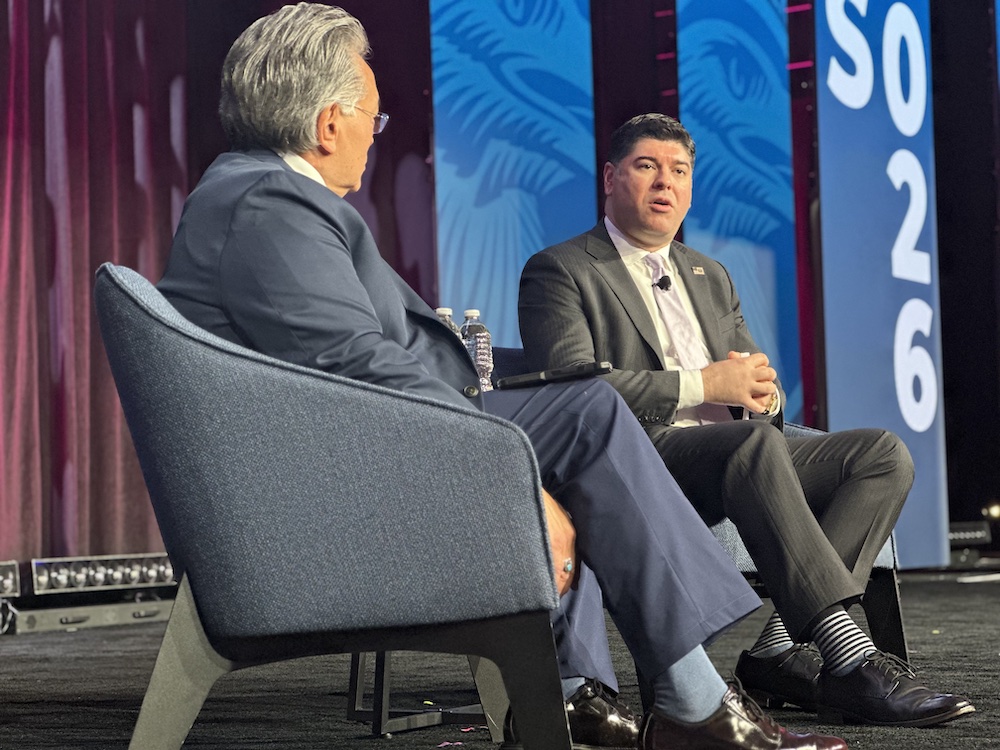
Mahroum spoke with Tribal Business News about the strategy, including permitting, electricity access, technical assistance and federal support for the pre-development work needed to move tribal energy projects toward financing and construction.
This interview has been edited for clarity and brevity.
What steps is the office taking to help tribes navigate federal permitting processes for energy projects?
Our strategic plan identifies actions we are taking to address critical Indian energy challenges and advance administration and departmental priorities. The fourth goal is to cut red tape for tribes developing energy projects, and we’ve identified two ways to deliver on this.
We are developing an AI‑driven navigation tool that tribes can use to identify and track federal permitting application processes, including user‑friendly interactive tools to simplify complex processes.
We are also supporting other DOE offices in tribal engagement through an internal DOE Permitting Tribal Engagement Working Group. The group will reduce duplicate efforts, encourage coordination and identify opportunities to improve efficiency in permitting and environmental review processes.
Beyond permitting, what role does your office play in connecting tribes with other DOE offices and federal agencies?
A lot of inquiries I get from tribal nations are about how to connect with offices like Nuclear Energy, Cybersecurity, or (offices working on) critical minerals. It’s our job to be the one‑stop shop for all tribes entering the Department of Energy and to get them connected.
This support extends to other agencies as well. A tribe in California had been trying to reach FERC, and we got them set up with FERC, which went a long way for that tribe. Whatever we can do to help tribal nations is one of our main reasons for being here.
What is the office doing to address unelectrified homes in tribal communities?
When I came into this office in January, I was astonished to learn that up to 17,000 tribal homes do not have electricity. I took that very seriously. Being from a city as hot as Houston, I can’t imagine not having electricity.
Under our first strategic goal, we will develop a national framework for tribal electricity access to map the quantity and location of unelectrified homes, coordinate interagency resources, engage private‑sector partners, and identify implementation methods to electrify Indian lands. That is a key first goal.
How is the office expanding technical assistance for tribal energy planning and development?
I always pride our office on our technical assistance. We have the best technical assistance team in all of the federal government, and I’m always going to say that.
Under our third goal, we will expand our technical assistance program with DOE’s National Laboratories, the Denali Commission and other partners to scale up support for early‑stage tribal energy development planning. This will broaden the range of services and subject‑matter expertise available at no cost to tribes. When tribes hear that, they get excited.
How does the office ensure its work supports tribal sovereignty and self‑determination?
Our work is fundamentally rooted in upholding tribal sovereignty and self‑determination. The strategic plan supports tribes on their unique energy journeys, and we will continue to share successes and learnings.
I’m here to help tribes with what they know is best for their community. I can suggest things and help them, but we are here to support them. We also have a couple of new announcements coming this fall that touch on technical assistance and electricity access.
How does the office fit tribal energy development within the administration’s broader energy policies and priorities?
My office is executing work directly aligned with the administration, with President Trump’s policies, and with Secretary Wright’s vision for expanding domestic energy production, lowering energy costs, and strengthening reliability and security.
President Trump issued a series of executive orders that reduce regulatory barriers to unleash tribal energy, minerals, and technology innovation, and our strategic plan delivers on those orders. Each tribe has a unique energy vision for economic development and community prosperity. One tribe might have critical minerals, another oil and gas, another geothermal. We support each tribe in whatever they’re doing.
Will funding opportunities and pre‑development support continue for tribal energy projects?
Short answer, yes, it is continuing. Our recent $50 million funding opportunity, Unleashing Tribal Energy Development, included pre‑development activities to identify community‑scale energy opportunities and bring projects from concept to implementation‑ready.
We also included planning, assessment, and feasibility activities to de‑risk and advance development for large‑scale tribal energy projects that support revenue generation and economic development.