- Details
- By Chez Oxendine
- Gaming
Four Maine tribes have intervened to defend the state’s new internet gaming law, aiming to preserve a new revenue stream.
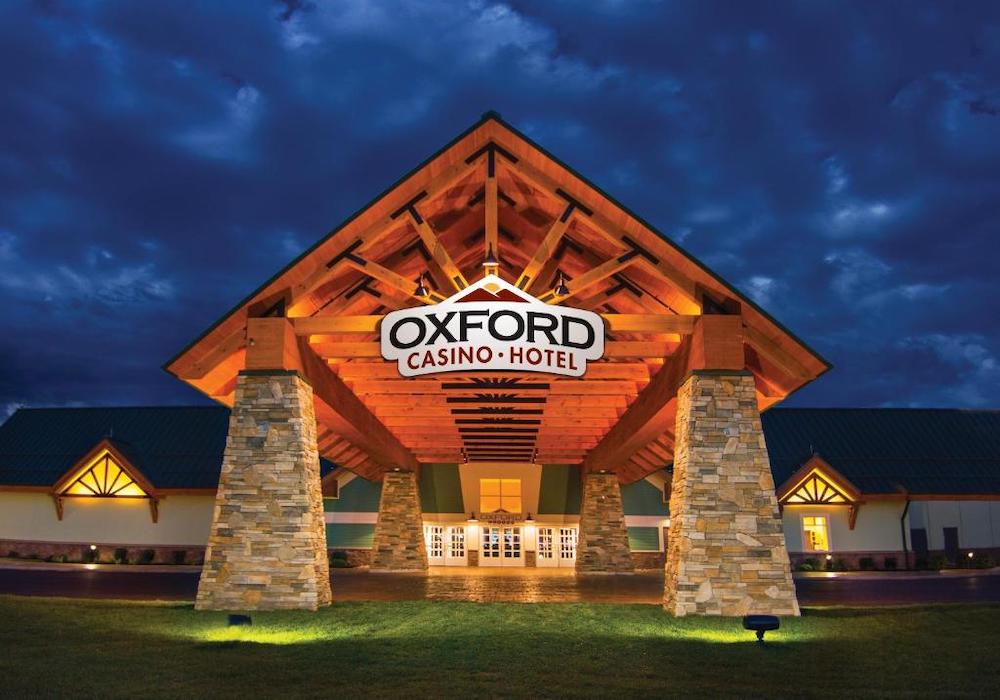
The Houlton Band of Maliseet Indians, the Mi’kmaq Nation, the Passamaquoddy Tribe, and the Penobscot Nation filed an unopposed motion to intervene in Oxford Casino Hotel, et. al. v. Champion on April 1. The U.S. District Court for the District of Maine granted the motion on April 2, according to a press release from the Native American Rights Fund.
The tribes are seeking to defend LD 1164, or An Act to Create Economic Opportunity for the Wabanaki Nations Through Internet Gaming, which establishes a licensing structure allowing the tribes — collectively known as the Wabanaki Nations — to operate internet gaming in Maine.
The lawsuit, filed Jan. 23 by Oxford Casino Hotel and other plaintiffs against Executive Director of the Maine Gambling Control Unit Milton Champion, seeks to invalidate LD 1164 on constitutional grounds. The NARF filing notes that the Nations have “direct sovereign, economic, and constitutional interests at stake.”
The law is intended to expand revenue opportunities for tribes that have historically had limited access to gaming.
Tribal leaders said the intervention is critical to future economic development.
“Our intervention in Oxford v. Champion is about the future for our people and for all of rural Maine,” Penobscot Nation Chief Kirk Francis said, calling the law a path to jobs, essential services and broader economic opportunity.
Houlton Band of Maliseet Chief Clarissa Sabattis said the law is key to long-term, independent tribal revenue to support governmental services for Maliseet families.
Responding motions are due by May 8, with opposing and reply briefs due by mid-June.