- Details
- By Aminah Syed
- Economic Development
With less than a month remaining before applications close, tribal leaders are encouraging Native nations to pursue $75 million reserved exclusively for tribes through the Federal Emergency Management Agency’s Building Resilient Infrastructure and Communities (BRIC) program.
The tribal funding is part of FEMA’s $1 billion BRIC funding opportunity for fiscal years 2024 and 2025, which reopened this year following a federal court order requiring the agency to restart the program.
The Native American Code Officials organization, a sovereign chapter of the International Code Council, hosted a June 23 webinar outlining the application process and featuring tribal officials who have successfully used BRIC funding to strengthen infrastructure and disaster resilience for their tribes. The session supplemented the FEMA’s webinar by focusing on tribal perspectives, including lessons learned from Native communities that have successfully secured BRIC funding in the past.
Matthew Beaudet (Montauk), a co-founder and board member of NACO, said FEMA has created separate funding pools for tribes in the current BRIC funding cycle and encouraged Native nations not to overlook the opportunity. He said hazard mitigation projects can provide immediate and long-term benefits while reinforcing tribal sovereignty and self-determination.
“Hazard mitigation is low cost, but very, very high impact,” Beaudet said during the webinar. “It’s generational planning, which yields generational benefits.”
The tribal funding consists of $50 million for hazard mitigation and resilience projects and $25 million to support building code development and enforcement.
Eligible projects include hazard mitigation, planning, capability and capacity building, building code adoption and enforcement, workforce development, natural resource protection and related management costs. Beaudet said the funding can also be used to support technology upgrades, including electronic permitting systems, virtual inspections and drone technology used for construction and infrastructure inspections.
Beaudet also urged tribes not to assume BRIC funding is limited to large infrastructure projects. He said lower-cost projects — such as roof tie downs, weather resistant doors and windows, foundation anchors, and securing propane tanks — can significantly reduce disaster risks, while remaining competitive for funding.
Applications are due July 23 at 3 p.m. EDT through Grants.gov.
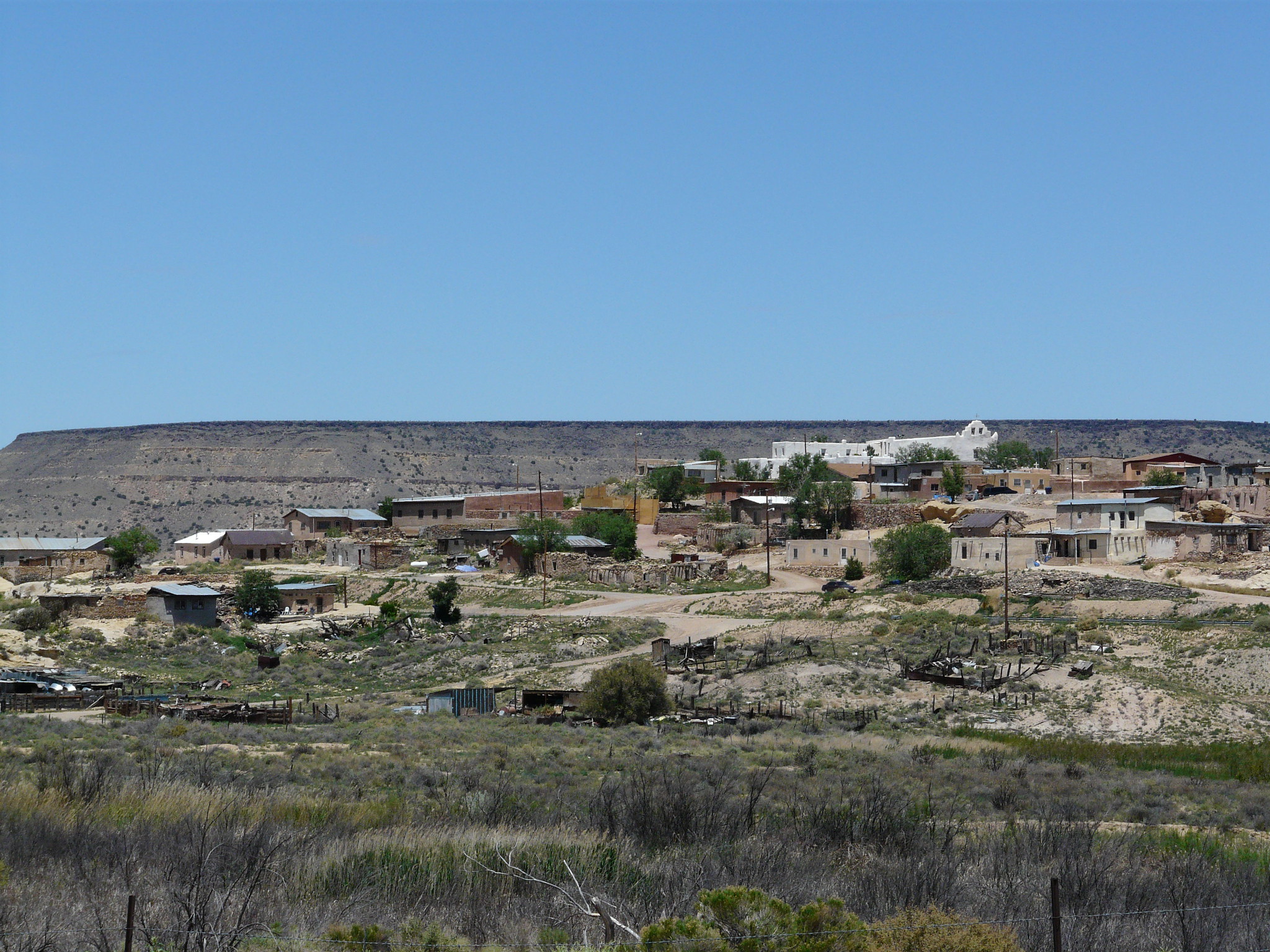
Officials from the Pueblo of Laguna and Santa Clara Pueblo told webinar attendees the FEMA grants have helped their communities address growing climate and disaster risks.
Anne Oandasan, planning program manager of the Pueblo of Laguna, said the tribe is addressing a broad range of climate related risks through its resilience planning.
We are looking at a wide range of vulnerabilities associated with climate change,” Oandasan said. “We’re looking at ensuring our homes are built to withstand natural hazards such as extreme precipitation, flooding, drought, high temperatures, wildfire and wind.”
Oandasan said Pueblo of Laguna is also working to improve access to homeowners insurance, noting that many homes on reservations are uninsured because few insurers write policies in tribal communities. She said the tribe also wants to modernize its building codes while preserving traditional construction methods.
Grant Altmann, project manager for Santa Clara Pueblo, said BRIC funding has helped the pueblo recover from wildfires and flooding. He said the tribe plans to use the funding to adopt updated building codes and reduce flood risks.
Beaudet said tribes can meet part of the program’s required cost-share through donated services and in-kind contributions rather than tribal funding or philanthropy alone. He encouraged tribes to seek assistance from Native organizations, businesses and philanthropic partners when developing applications.
“It’s an exercise in tribal sovereignty and tribal self-determination,” Beaudet said. “We are determining what measures we are going to take in our communities.”
Brian Edwards contributed reporting.