- Details
- By Chez Oxendine
- Food | Agriculture
Tribes and tribal entities will be eligible to compete for a share of $60 million in new federal meat processing funding under a U.S. Department of Agriculture program aimed at expanding domestic processing capacity and supporting smaller facilities.
The funding, available through the Meat and Poultry Processing Expansion Program, was announced Wednesday alongside a USDA action plan aimed at reducing regulatory burdens for small and very small meat and poultry processors, including tribally owned facilities.
The new MPPEP funding will provide $30 million for small and very small processors and $30 million for intermediate-sized processors. Eligible applicants include for-profit and nonprofit entities, producer cooperatives, tribes, and tribal entities. Facilities must be domestically owned and primarily process cattle, though funds may support poultry and other meat processing.
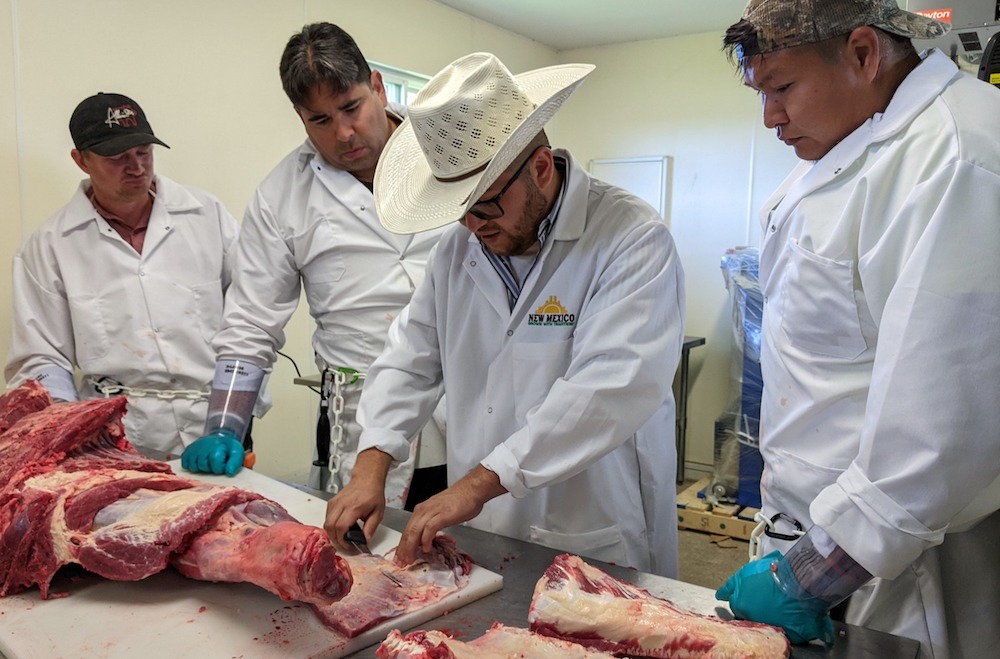
The announcement comes as tribal nations continue to invest in local meat processing, a trend Tribal Business News has tracked since the COVID-19 pandemic exposed vulnerabilities in livestock supply chains and access to processing in many Native communities.
In 2022, USDA selected the Jemez Pueblo-based Flower Hill Institute to lead national technical assistance for those programs, connecting tribal and non-tribal applicants with experts at the Intertribal Agriculture Council and Oregon State University’s Niche Meat Processors Assistance Network.
Federal lawmakers have also pursued changes that would expand tribal participation in meat inspection. Earlier this year, senators introduced the bipartisan PRIME Act, which would authorize tribal self-determination contracts for inspection duties currently handled by USDA. Supporters say the change would allow more tribally raised livestock to be processed locally under federal standards.
USDA said its new Small Processors Action Plan is intended to help small and very small processors navigate regulatory requirements, access technical assistance and resolve inspection-related issues more efficiently.