- Details
- By Chez Oxendine
- Food | Agriculture
A coalition of land trusts, local governments and Native organizations joined a lawsuit challenging the Trump administration’s cancellation of more than $127 million in USDA grants for farmland access, agricultural lending and farmer training projects.
The group filed an amended complaint on May 26 in U.S. District Court in Washington, D.C., expanding the USDN v. USDA lawsuit to 29 plaintiffs. The initial plaintiffs in the case are Agroecology Commons, the Institute on Agriculture and Trade Policy, Oakville Bluegrass Cooperative, Providence Farm Collective, and Urban Sustainability Directors Network (USDN).
The lawsuit challenges USDA grant terminations across multiple programs, including the $300 million Increasing Land, Capital and Market Access program launched in 2023. Plaintiffs say USDA terminated 49 of 50 LCM projects, effectively dismantling a national effort to help new and underserved farmers secure affordable land, financing and market access.
The new plaintiffs include land trusts, community development financial institutions, urban farming groups and other organizations. Among the new plaintiffs are Four Bands Community Fund, Inc., a Native CDFI based in Eagle Butte, S.D., and Rapid City-based nonprofit NDN Collective.
NDN Collective President Wizipan Little Elk Garriott, told Tribal Business News the suit was an attempt to reclaim funding meant to help the group assist with tribal land purchases in Nevada.
“We, along with all the other grant recipients, received a canned termination letter alleging some kind of DEI-related ineligibility for the funds,” Garriott said. “Those allegations run counter to treaty rights, the federal trust responsibility, and USDA's own stated policies around exempting tribes from those policies.”
The amended complaint argues the grant cancellations improperly treated tribal-serving programs as diversity initiatives despite longstanding federal policies recognizing tribes as sovereign political entities, not racial groups.
Garriott said the cuts come at a time when tribal producers are already struggling with rising costs and economic uncertainty.
“At a time when the economy is just tanking,” Garriott said, cutting support for tribal producers is “exactly the opposite direction that we should be going.”
Affected projects ranged from down payment assistance, low-interest loans, farmer training programs and technical support for producers who have historically struggled to access credit.
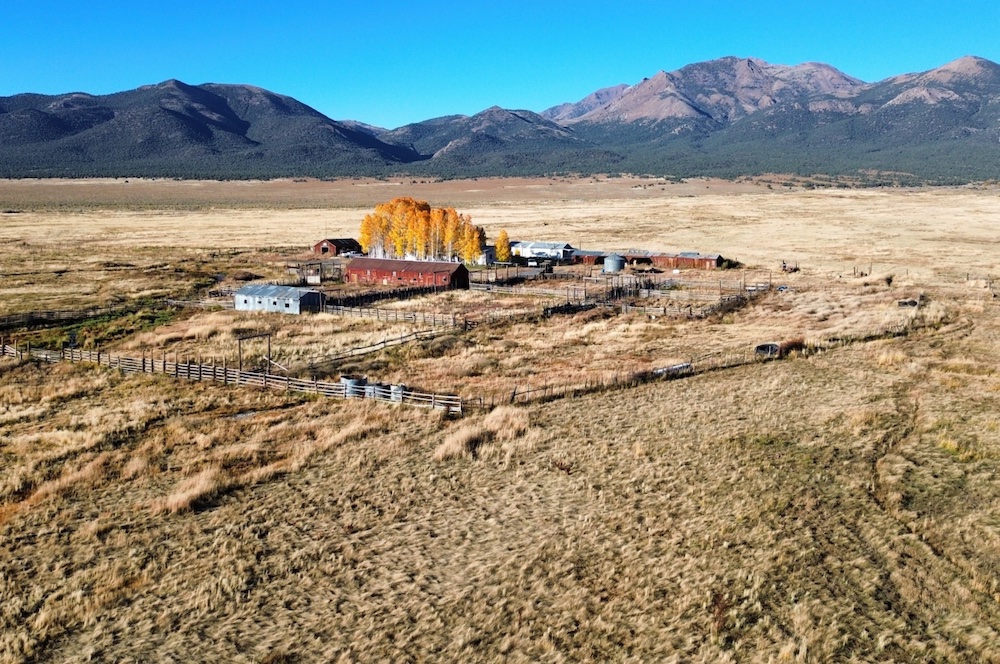
According to the new complaint, Four Bands Community Fund’s $8.5 million grant was intended to help underserved agricultural producers across 20 tribal reservations in the Mountain Plains region overcome barriers to land and capital access. NDN Collective’s $2.5 million grant supported restoration work and debt reduction tied to Pine Creek Ranch Land and Water Conservation Project in Nevada, with a goal of returning the land to Shoshone and Paiute communities.
The plaintiffs filed a motion for a preliminary injunction in the U.S. District Court for the District of Columbia seeking to reverse their terminations and compel USDA to honor the original grant agreements. The motion follows an August 2025 ruling in the same case that restored six grants held by the initial plaintiffs.
The lawsuit alleges that after a series of 2025 executive orders targeting DEI and climate initiatives, USDA and the Department of Government Efficiency (DOGE) adopted a policy requiring termination of grants that “no longer effectuate” agency priorities.
Internal documents produced in the case show that USDA staff searched grant materials for terms associated with diversity, equity and climate initiatives to identify awards for potential cancellation. The agency’s own National Appeals Division concluded that recent terminations were not based on individualized application of program criteria but on broader policy priorities.
Many of the new plaintiffs had already hired staff, signed leases, purchased land or launched training cohorts when USDA froze funding and later issued termination letters. Several organizations report layoffs, canceled contracts and stalled land transfers.
Hannah Wolf, a staff attorney for advocacy organization FarmSTAND, said the court had already blocked similar grant terminations in the case.
“This court already enjoined grant terminations USDA and DOGE made in this manner and it must also enjoin the termination of these LCM grants,” Wolf said. The plaintiffs argue USDA’s actions violate the Administrative Procedure Act, the Due Process Clause and the agency’s own grant regulations. For programs with explicit congressional directives, plaintiffs also argue the terminations exceed executive authority and infringe on congressional spending authority.
The court will now decide whether to extend preliminary relief to the 24 new LCM plaintiffs. Its ruling could determine not only the fate of their projects but also how far federal agencies may go in canceling existing grants when political priorities change.