- Details
- By Chez Oxendine
- Real Estate
Yuhaaviatam of San Manuel Nation is expanding its luxury hotel portfolio to diversify its economy as its gaming business marks its 40th year.
Since October 2025, the tribe’s San Manuel Investment Authority, through affiliated entities, has acquired full ownership of the Waldorf Astoria Monarch Beach Resort & Club in Dana Point, Calif. and purchased the Mission Inn in Riverside. Most recently, the authority acquired the Fairmont Scottsdale Princess resort in Arizona, adding to the tribe’s portfolio of high-end hospitality properties.
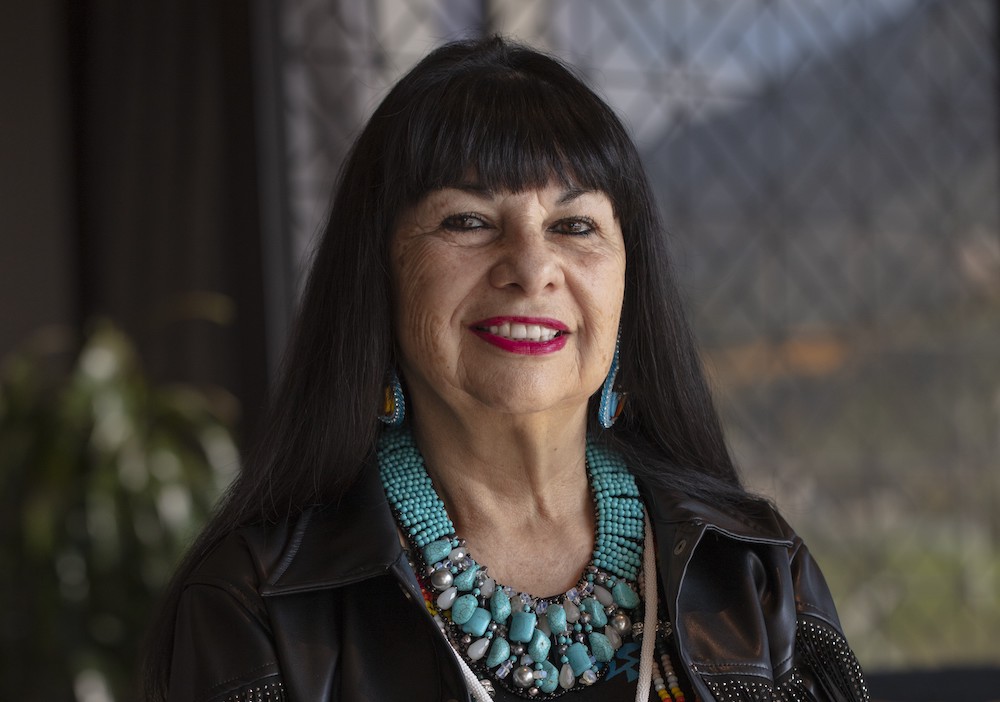
Chairwoman Lynn Valbuena, who has served on the Tribal Council since the late 1980s and first became chair in 1994, said the nation’s approach is rooted in self-sustainability and careful due diligence.
“I grew up on the reservation standing in the orange groves where Yaamava’ now sits, waiting for commodity trucks with paper sacks for powdered milk and eggs,” Valbuena said. “I’ve worked for my tribe for 50 years, and the change from those days to a 17‑story hotel and major enterprise is amazing. I always say our progress comes down to relationships — in the community and wherever we do business.”
Valbuena spoke with Tribal Business News about the tribe’s economic strategy, its gaming history and the role of relationships in expanding into new markets.
This conversation has been edited for clarity and brevity.
How does the tribe approach long-term growth and diversification?
At Yuhaaviatam, we work to stay consistent with the Investment Authority’s mandate to grow and diversify. We’re always looking ahead, focused on maintaining self‑sustainability and self‑reliance. Any opportunity goes through due diligence by our team and department heads, then to the Authority Board, and finally to the Tribal Council for a vote. The goal is to build enterprises that strengthen our future and reduce dependence on federal funds and grants.
How has gaming shaped the tribe’s economic foundation?
We’re a gaming tribe, and this year marks our 40th anniversary. We started in 1986 with a Class II bingo hall and 200 employees. Today we operate Class III gaming at Yaamava’ and employ nearly 8,000 people. I’ve been on Tribal Council since the late ’80s, and my first term as Chair was in 1994. It’s been incredible to watch that growth.
What does diversification look like for the tribe today?
Right now, diversification centers on luxury hotels. Arizona has about two dozen tribes, and we have strong relationships with them. Out of respect, we let them know when we purchased the hotel, just as we’d appreciate notice if another tribe acquired a major enterprise near us. For now, the focus is strictly on operating it as a luxury property.
How does the tribe evaluate new business opportunities?
It depends on the opportunity. Our financial staff and Investment Authority are constantly reviewing assets brought to us. In the past year alone, we purchased three major hotels: Monarch Beach Resort in Orange County, the Mission Inn in Riverside, and another large property similar to the Fairmont in Scottsdale. Each acquisition reflects diversification and the ability to move forward when the fit is right.
How does diversification support competitiveness in gaming?
To stay competitive, you have to offer new experiences. After 40 years of successful gaming, including acquiring the Palms in Las Vegas, we see a lot of cross‑market visitation among Southern California, Las Vegas, and Scottsdale. People move easily among those regions, and we plan with that in mind.
How has the tribe built relationships with neighboring communities?
Our reservation borders the backyards of Highland and San Bernardino residents, and they were initially unhappy about a gaming facility next door. We worked hard to build relationships — sending about 1,800 quarterly newsletters, hosting events at a local middle school, and keeping people informed. Those efforts have made a big difference.