- Details
- By Chez Oxendine
- Energy | Environment
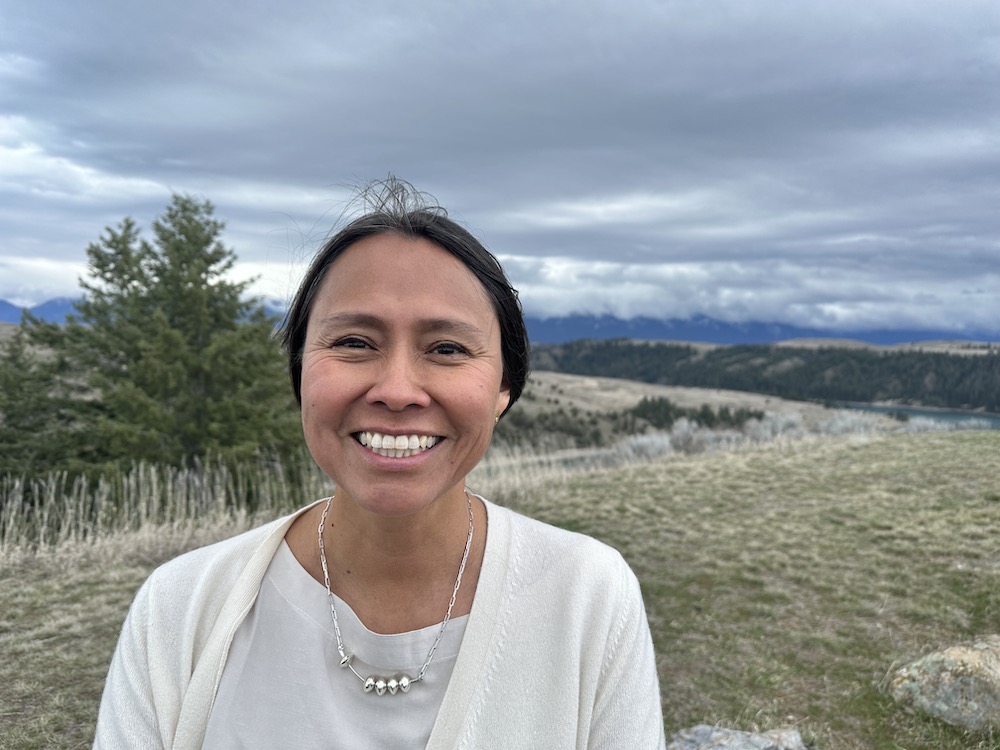
Wahleah Johns (Navajo) recalls growing up near a massive coal mine in northern Arizona. Coal from the mine helped power much of the western United States — while tribal members just miles away went without electricity.
People would be carrying water to and from homes “just over the hill” from the mine, Johns said, an experience she says shaped her view of the relationship Native communities often have with their energy resources.
“I’ve always seen tribal communities facing major energy economies without getting to participate in them,” Johns said. “That experience showed me how extractive industries can operate without caring for the communities around them. It also shaped my belief that tribes should design energy projects that benefit their people directly.”
Johns served as director for the U.S. Department of Energy's Office of Indian Energy Policy and Programs under the Biden administration, which made historic investments in renewable energy, particularly solar and wind. However, the Trump administration has since pivoted away from those technologies and back toward extractive energy like coal and oil.
Regardless of the level of federal support, Johns said a persistent gap exists: Tribes often lack the funding to move projects through early development, but can’t get investment without having shovels in the ground.
It’s a catch-22 that has become an increasingly sharp focus in Indian Country energy, Tribal Business News reports — and the kind of challenge Johns wants to address at the Berkeley, Calif.-based Four Directions Fund, LLC, where she now serves as director, she says.
The fund is in its early days: the organization is sketching out its eventual structure, targeting $100 million in fundraising to begin supporting those early pre-development costs, such as grid connectivity, feasibility studies and environmental reviews.
Johns spoke with Tribal Business News about her work at Four Directions, and what makes the pre-development gap such a challenge for tribal energy.
This interview has been edited for brevity and clarity.
What is the Four Directions Energy Fund, and what gap in the market are you trying to fill?
We have seen less than 2,300 megawatts of clean energy out there in the US on tribal lands, which is a very low number, and that was surprising to me. That came out of the Office of Indian Energy access report that was released in 2023.
Editor’s note: DOE's Tribal Electricity Access and Reliability report identified more than 2,250 MW of known large-scale renewable energy generation on tribal lands, while noting its list was not exhaustive.
Historically many of the ideas [for solving this issue] have come from outside energy companies or developers and not really within the nations themselves. Tribes themselves need to be seeding these big visions of how they want to participate in the energy economy.
There could be so many energy assets positioned on tribal lands and controlled by tribal governments. Tribes could be looking at land as an economic development opportunity, to utilize renewable energy technology to generate revenues. The fund’s goal is to position tribes in a place where they can leverage these opportunities for more royalties and more equity stake in projects designed and planned by and for them.
It is about being proactive and creating space for tribes to decide what type of projects they want in their communities and their nations, how they want to participate, and putting them in a position of power.
That has been the area I have been most focused on. We are in the early stages of setting up the fund structure. The idea is to have a fund that will support this pre-development work that is needed in Indian Country and tribal communities globally.
Where does the fund stand, and who are you hoping to serve or support?
We want to establish it so it can be focused here in the US but also with other countries that have tribal communities. Our goal is to raise $100 million to start. Discussions around fund structuring and talking with investors have been exciting.
Your website refers to the Four Directions Fund as the “first global Indigenous fund.” Why the global focus?
Indigenous peoples across the world have a connection to land that is unique and beautiful. We want to offer support and guidance if they want to use their land assets for development. We want to support a different approach than what we’ve seen historically, where it is always the outside interest coming into our homelands and proposing something.
Many times communities are in a defensive mode because of history when it comes to energy deals that leave out communities. We hope this approach changes the way business is developed in our nations and our communities.
What challenges do tribal nations face in energy development?
Pre-development funds are hard to find. When I was in the Office of Indian Energy, we understood the gaps that exist. Many projects did not have predevelopment funds to get into the interconnection queue. The interconnection queue can be multi-million dollars to do. Seeing tribes not have access to that type of funding makes it hard for them to participate.
There are costs associated with feasibility studies, engineering studies, and permitting. Some of these areas take time and approval from the federal government or whatever land jurisdiction they are on. Developers will not pay those costs. Tribes are left in a hard place where they cannot have access to capital or it is hard to find the capital to pay for that, and that holds up project development.
How does predevelopment funding change tribal leverage?
Tribes need capital, and to get that capital they need to be able to get projects started. The fund will support predevelopment costs so it lines up their project in a good place. Once it’s up and going and in development, tribes could have the option to sell the project to a developer or continue to develop it all the way through themselves, but they need to get it started to build that equity piece in the first place.
They can negotiate royalty rates, higher royalty rates, utilization of their lands, or sell the project and buy into a long-term contract of being a co-owner or ownership stake of the project. It is about positioning tribes and Indigenous communities in a place where they have more leverage to negotiate better terms.
So it’s about building partnerships from stronger positions?
This will take people helping to do the negotiations and deal structuring that best benefits the tribes who are participating. It will take working with developers on finding the right partners who want to work with tribes, and then helping those developers understand and respect tribal sovereignty.
We are trying to make sure developers understand how important the sovereignty piece is. They have misconceptions about tribes, and that is an area that could be overcome with patience and partnership.
What kind of projects should tribes be pursuing?
With tribes continuing to do their energy planning, I would advocate that they keep doing those planning processes to design systems that support durability, self-sufficiency and emergency backup power. Solar technology is time tested, offers the lowest cost of power, and is well suited for the American West with its 300-plus days of sunlight.
What do you see happening globally and what does it mean for tribal energy sovereignty?
Outside of the US there’s a lot of clean energy projects happening in Indigenous communities already. It is incredible. Adoption of EV mobility is increasing. There is a lot of activity happening outside of the US in emerging markets when it comes to clean energy and technology.