- Details
- By Chez Oxendine
- Real Estate
The Penobscot Nation has regained 11,297 acres of ancestral land, completing the first phase of a planned return of more than 30,000 acres.
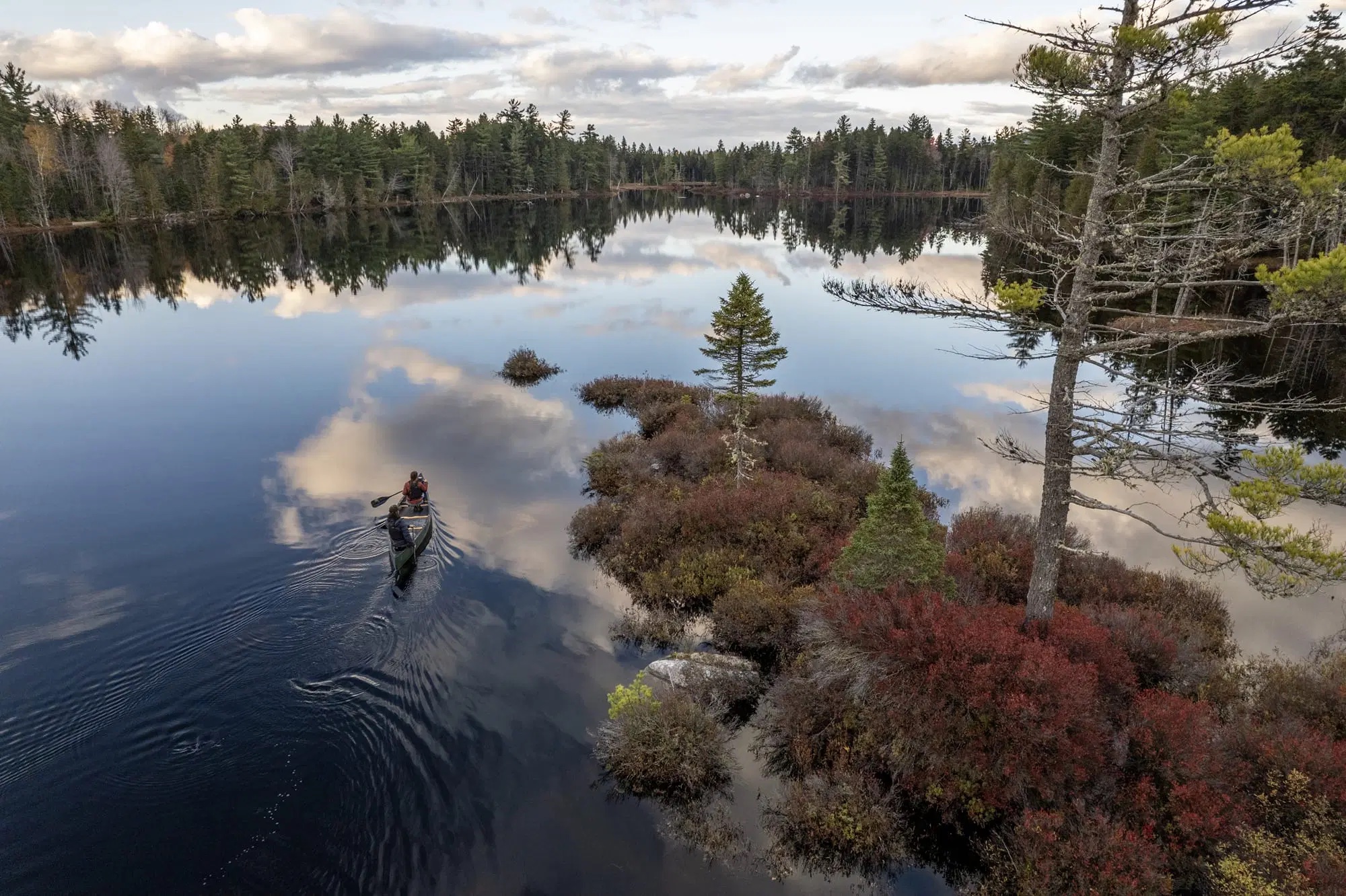
The tribe and Trust for Public Land completed the transfer on Sept. 16. The property lies along the East Branch of the Penobscot River near Katahdin, Maine’s highest mountain and a place sacred to the Penobscot people.
The Penobscot Nation owns the newly transferred property as fee land rather than holding it in federal trust, though it hopes to eventually place the land in trust, according to Penobscot Natural Resources Director Chuck Loring Jr.
The partners began working together in 2023 and have raised $20.7 million toward the project’s goal of $32.5 million. The total includes the approximately $29.5 million of acquiring the 30,000-acre property, project costs, staff time for the Penobscot Nation and TPL, and interest on bridge financing used to acquire the land, according to TPL Maine State Director Betsy Cook.
Loring said closing on the first phase has renewed momentum after years of work. He said the partnership with TPL and sustained fundraising showed what is possible and positioned the Nation well for a second phase in the coming year.
“Getting through this first step and getting closed on this first phase has been huge,” Loring said. “It reminds us what’s capable out there.”
Loring said the Nation has already begun stewardship work on the land, including baseline water‑quality monitoring and the deployment of trail cameras to assess wildlife populations and habitat conditions. The parcel includes Redstone Mountain, Trout Pond, Trout Brook and a northwest section frequently shown to visitors because of its significance. He said there are no development plans at this time and that the Nation will focus on forest management and ecological monitoring.
“It’s very surreal to see a project like this underway,” Loring said. “Being able to restore those lands back to our stewardship is a very moving thing.”
TPL learned in 2022 that a timber company planned to sell more than 30,000 acres south of Katahdin Woods and Waters National Monument on a short timeline, Cook said. The organization moved quickly and used bridge financing to secure the property.
“TPL knew that this land was critically important to Penobscot Nation and to creating access into the national monument,” she said.
Cook said fundraising has drawn support from donors across the country, ranging from $50 contributions to multimillion‑dollar gifts. She said the total fundraising goal includes land value, project costs, staff time for both organizations and interest from the bridge financing. She said the first 11,000‑acre transfer is roughly the size of Portland, Maine.
The broader effort is part of Tributary Land Returns, a collaboration among the four federally recognized Wabanaki tribes and seven conservation groups to return more than 50,000 acres across 11 projects. The Wabanaki Commission on Land and Stewardship affirmed the set of projects and supports tribal citizens, nonprofits and tribal governments through the Wolankeyutomone Kisi Apaciyewik Fund. Cook said seven of the 11 projects have been completed so far.
In a statement provided to Tribal Business News, Wabanaki Commission Executive Director Darren Ranco said the project begins to repair damage caused by generations of dispossession and opens opportunities for hunting, fishing, ceremony and cultural practice on the East Branch. He said the scale of the work shows a shared understanding that Indigenous land care represents a strong model for conservation.
“This first phase land return of the Wáhsehtəkʷ project represents a remarkable achievement for both TPL and the Penobscot Nation,” Ranco said. “The return of lands to Penobscot care in the heart of our territory begins to heal old wounds to both our territory and people.”
The partners also hope the project will enable a new southern access route to Katahdin Woods and Waters National Monument, reducing travel time from the Millinocket area and supporting businesses in nearby communities.
“It’s been very humbling to help restore land that was part of the original claims,” Loring said. “Being able to bring those acres back under our stewardship is a very moving thing for me.”