- Details
- By Tribal Business News Staff
- Energy | Environment
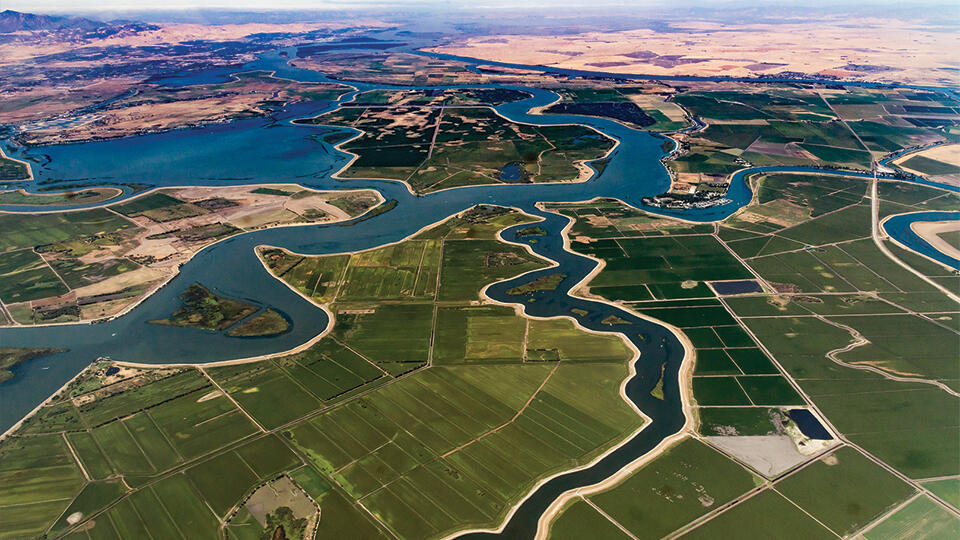
A coalition of California tribes filed formal objections to the state’s draft Bay-Delta water plan, adding regulatory pressure to Gov. Gavin Newsom’s proposed $20 billion Delta Conveyance Project, a 45-mile tunnel designed to divert water around the Sacramento-San Joaquin Delta.
The Delta Tribal Environmental Coalition — representing tribes and advocacy groups including the Winnemem Wintu Tribe, the Shingle Springs Band of Miwok Indians, Little Manila Rising and Restore the Delta — filed formal objections to the State Water Resources Control Board’s draft update to the Bay-Delta Water Quality Control Plan. The group argues the proposal weakens enforceable flow standards in the Sacramento-San Joaquin Delta, the hub of California’s water distribution system.
At the center of the dispute is how much water must stay in the rivers. Earlier scientific proposals evaluated keeping roughly 45% to 65% of unimpaired river flows in the system. The latest proposal drops those percentages and instead sets broader goals for protecting fish. The coalition argues that removing concrete benchmarks weakens enforcement and could allow more water to be exported from the Delta.
The Delta watershed provides drinking water supplies to roughly two-thirds of Californians and underpins one of the most productive agricultural regions in the U.S. It has also seen three consecutive years of near-total commercial salmon fishing closures following fishery disaster declarations.
The regulatory dispute unfolds as the tunnel project confronts financing uncertainty. In January, California’s Third District Court of Appeal upheld a lower-court ruling invalidating a key bond-funding approach, complicating the state’s capital strategy.
Separately, a Title VI civil rights complaint related to Delta water management remains under investigation by the U.S. Environmental Protection Agency, adding another layer of federal scrutiny.
Tribal and environmental groups have been filing objections across multiple state proceedings since 2022, creating a layered administrative record that could shape future litigation.
With state and federal permits still pending, the escalating opposition underscores growing legal and political risk for one of California’s largest proposed infrastructure projects — and signals an expanding tribal role in the state’s water governance framework.