- Details
- By Chez Oxendine
- Real Estate
California has set a goal of bringing 7.5 million acres under tribal governance, co-management or expanded access. The state is about 15% there, including 103,000 acres returned and 939,000 more co‑managed under state agency–tribal agreements.
The Tribal Stewardship Policy, announced this week by the California Natural Resources Agency, creates a statewide framework to scale that effort across agencies, with three pathways: ancestral land return, collaboration and co‑management, and durable tribal access.
The benchmark reflects land promised in 18 unratified treaties in 1852, which would have established permanent tribal homelands.
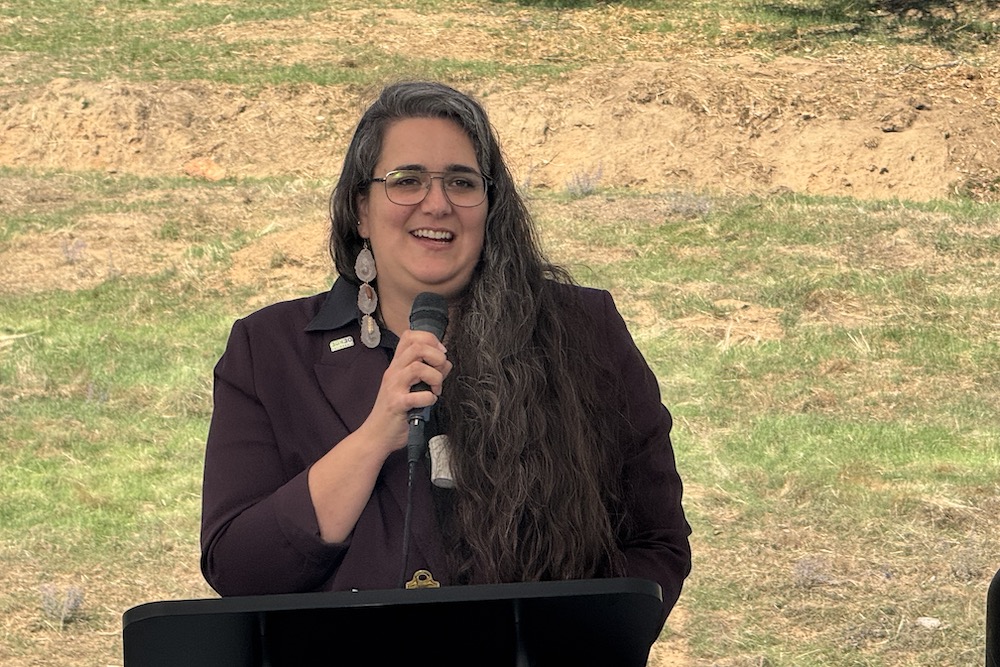
“We’ve heard loud and clear from tribes that ancestral land return is the high priority,” says Geneva E.B. Thompson (Cherokee Nation), CNRA’s deputy secretary for Tribal Affairs. “We didn’t want to close the door on meaningful partnerships if ancestral land return wasn’t available. So we look to shared decision-making and collaborative care for lands.”
Thompson spoke with Tribal Business News about how the policy works and how the state plans to reach its target. This conversation has been edited for clarity and brevity.
How do you define the purpose of the Tribal Stewardship Policy?
The tribal stewardship policy and toolkit is a step that the state of California is taking to institutionalize our commitment to partner with tribes and, in that partnership, identify and address historical wrongs the state committed against tribes across California.
It sets out the goal of meaningful and durable tribal stewardship over at least 7.5 million acres of land and coastal waters. We defer to tribes on how they define stewardship based on tribal law and sovereignty, and on the state side we identify three pathways: ancestral land return, collaboration such as co‑management and co‑governance, and meaningful tribal access to areas tribes have been excluded from since colonization.
We hope this policy institutionalizes the work already underway so it becomes the norm in California and signals a shift into a new era of tribal‑state relationships.
How do you determine whether a project should involve land return, co‑management, or access?
Every relationship is case by case. There are thousands of factors that shape the best pathway for a particular partnership.
We’ve heard loud and clear from tribes that ancestral land return is the highest priority and the closest pathway to addressing the historical wrongs of the unratified 18 treaties, which would have reserved about 7.5 million acres as permanent homelands. But because of current property ownership and legal structures, ancestral land return is not always possible.
When land return isn’t available, we look to shared decision‑making, delegated or deferred decision‑making, and ways to collaboratively care for lands and bring traditional ecological knowledge back onto the landscape. Tribal access is critical.
How far along is the state toward the 7.5‑million‑acre goal?
It is our overall goal, and tribes were clear that it should be a floor — not a ceiling. It ties directly to the specific historical wrong of the unratified treaties.
Ancestral land return, collaboration and access work has already happened. Through state action alone, we have (returned) over 100,000 acres of land back to tribes. And we have meaningful collaboration and access agreements across the state park system.
We are also tracking tribal work with the federal government in co‑stewardship ... as we work toward the goal.
What does it look like for the state to help a tribe reacquire land?
It starts with the tribe’s interest in reacquiring land and prioritizing that work. Tribal councils identify key areas based on proximity to the reservation, cultural value, sacred sites and other factors. You also need a willing seller.
The state has a wide variety of grant programs that provide funding for acquisitions. The Tribal Nature‑Based Solutions grant program is the first grant program focused on ancestral land return and tribal nature‑based solutions projects, with $100 million in its first round and $9 million in additional funding now available through a second round.
Large acquisitions often require coordination with neighbors, community members, and philanthropic partners. The Tule River Tribe’s recent acquisition of more than 17,000 acres is a good example, involving multiple state programs, nonprofits, and private philanthropy working together.
Why are tribes central to conservation and ecological restoration?
Tribes are the original stewards of the land and have deep place‑based traditional ecological knowledge that co‑evolved with the land, plants, animals, and species.
If we want a world that thrives, we have to bring traditional ecological knowledge and tribal expertise back into how we care for lands and waters.
Cultural fire is a classic example: many plants rely on cultural burning and the ceremonies around it to germinate, strengthen roots, or grow straighter limbs.
Tribes know the importance of caring for these landscapes for their people, cultures, economies, and relationships to the world, and they are focusing significant energy on returning to balance and helping the state correct historical wrongs.