- Details
- By Chez Oxendine
- Policy and Law
The Senate Appropriations Committee has moved to delay a sweeping rewrite of federal grant rules that tribal governments say could disrupt funding across Indian Country.
A continuing appropriations bill released Wednesday includes a provision that would bar the Office of Management and Budget from finalizing its proposed overhaul of the 2 CFR Uniform Guidance until Dec. 11, 2026. If enacted, the provision would also suspend any version of the rule finalized before the bill becomes law.
The funding package must still pass both chambers before the delay takes place.
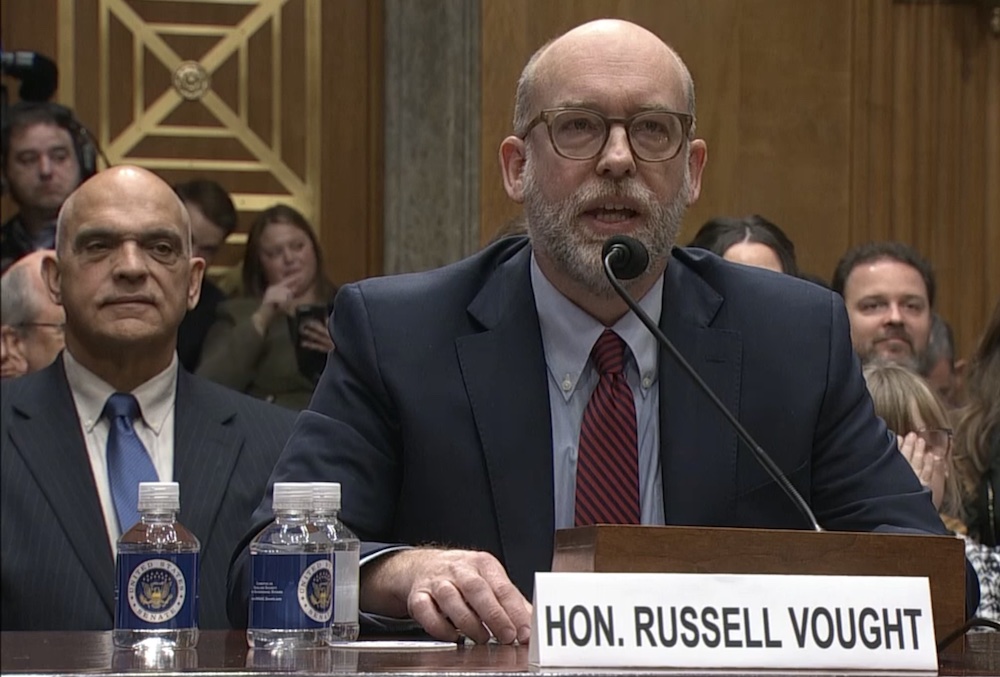
Appropriations Committee Chair Susan Collins, R-Maine, said she pushed to include the provision after warning OMB that the proposal could politicize federal grants and harm small, rural communities, families and biomedical research. Collins said she raised those concerns in a July 6 letter to the agency.
OMB released the draft rule, titled “Regulation for Federal Financial Assistance,” in late May. The proposal would convert the government-wide grants framework from guidance into binding regulation and introduce new expectations for internal controls, risk assessments, payment documentation and financial reporting. OMB says the changes are intended to tighten oversight, simplify requirements and align federal programs with statutory authority, as Tribal Business News previously reported.
Tribal governments rely heavily on grants governed by the 2 CFR to support housing, public safety, broadband, transportation, environmental protection and community development. Finance experts speaking to Tribal Business News in July said the proposed changes could reshape how tribes compete for, manage and retain federal funding, especially in communities already strained by staffing shortages and rising administrative demands.
The Native American Finance Officers Association said the proposed delay would give governments critical time to prepare.
“This delay provides breathing room for tribal finance departments, program managers and leadership,” NAFOA wrote in a press release. “It ensures that current Uniform Guidance rules remain in place as FY 2027 begins, preventing administrative confusion and allowing more time for tribal nations to advocate for changes that respect tribal sovereignty, self-determination and administrative capacity.”
Brian Edwards contributed reporting.