- Details
- By Chez Oxendine
- Gaming
Prediction markets remain one of the most closely watched issues in Indian gaming as tribes challenge federally regulated sports event contracts in court and warn they threaten tribal gaming exclusivity.
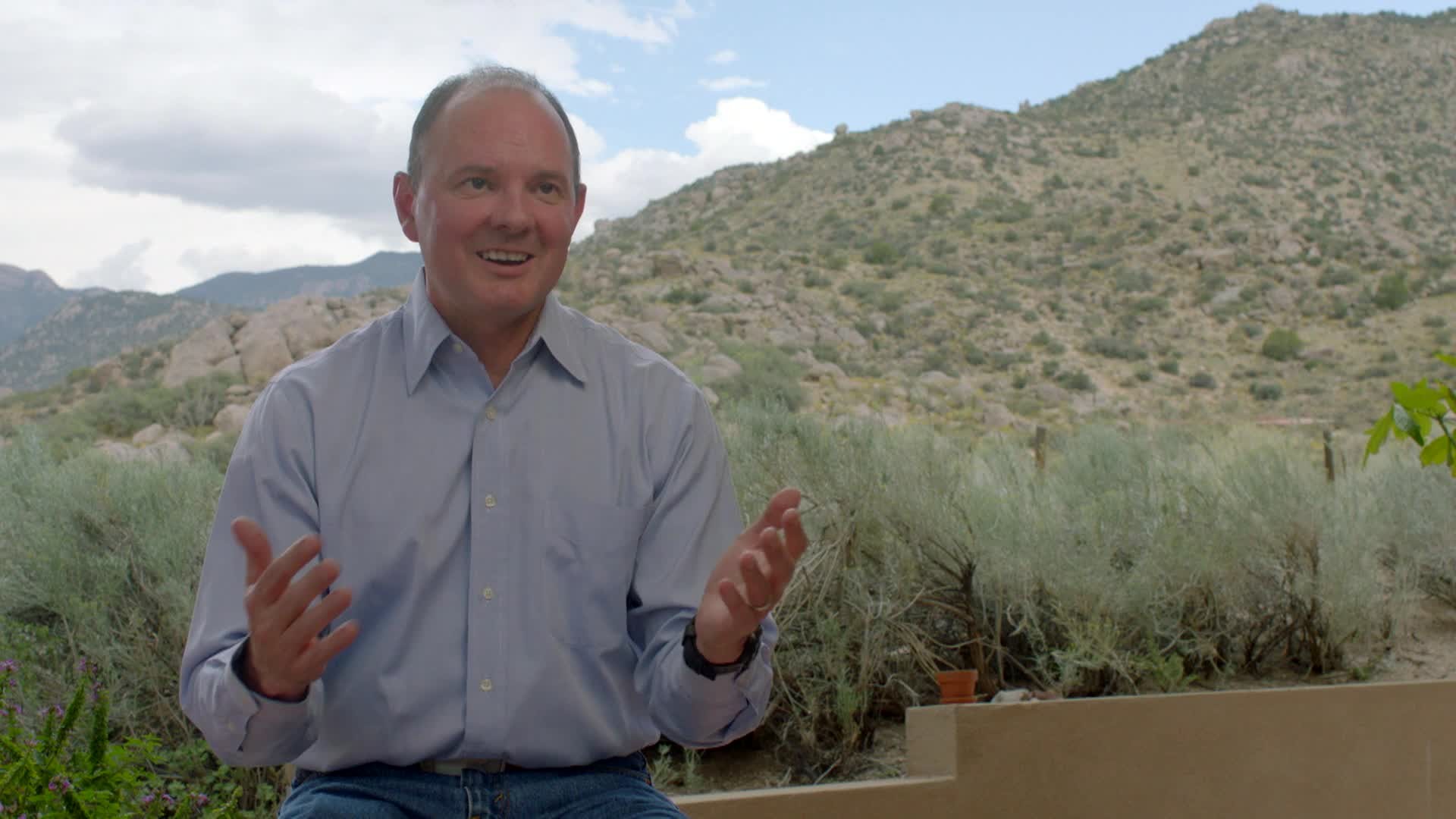
Kevin Washburn (Chickasaw), a law professor who served as assistant secretary for Indian Affairs under President Barack Obama and former general counsel for the National Indian Gaming Commision, says the industry’s record gaming revenues should not be interpreted as evidence that prediction markets have had little effect.
In a conversation with Tribal Business News, Washburn discussed why the timing of the latest NICG revenue report may not capture the effects of prediction markets, the broader risks he believes prediction markets pose to tribal gaming, and the legal questions he believes are headed to the U.S. Supreme Court. Here are four key takeaways from the interview.
Record gaming revenue doesn’t yet answer the prediction market question
Washburn argues the latest NIGC revenue report reflects a period before prediction markets became a meaningful competitive force, making it a poor measure of their current impact.
He noted that the NIGC report is based on tribal fiscal years ending in 2025, meaning many tribes’ reported revenues include substantial portions of 2024 — before prediction markets expanded significantly.
“What I’m worried about with this data is that it might disguise the impact a little bit,” he said.
Washburn said the figures are “very backward‑looking” and cautioned policymakers against concluding prediction markets have had little effect simply because tribal gaming revenues reached a record level.
The biggest threat may extend beyond lost revenue
While Washburn expects prediction markets to reduce tribal gaming revenue, he believes the greater long-term risk is damage to public confidence in legalized gambling.
He pointed to a growing number of gambling-related controversies involving prediction markets and sports betting, arguing that highly publicized scandals could trigger a broader public backlash against gambling — not just prediction markets.
“I think there's an existential threat that's even greater than whatever the incremental impact on revenues is,” Washburn said. “The public could throw the gambling baby out with the prediction market bathwater because it's the prediction markets causing these scandals or allowing them.”
Washburn said public opinion has shifted against gambling in previous eras after repeated scandals and warned that tribal casinos, commercial casinos and state lotteries could all be affected if prediction markets erode confidence in regulated gaming.
Tribal concerns extend beyond competition to tribal sovereignty
Washburn said the dispute is not only about losing customers but also about protecting tribal regulatory authority.
He noted that tribes involved in the New Mexico litigation have presented evidence that people were accessing prediction markets from their phones while inside tribal casinos.
He said prediction markets are not ring‑fenced and operate inside areas governed by exclusive tribal jurisdiction. He warned that this activity violates federal Indian gaming rules and encroaches directly on tribal sovereignty.
“They’re doing something that’s subject to exclusive tribal jurisdiction,” he said. That could become increasingly important as litigation develops.
The courts — not regulators — will likely decide the issue.
Washburn expects the legal battle over prediction markets to continue through multiple federal appeals courts before ultimately reaching the U.S. Supreme Court.
He anticipates different federal circuits will reach different conclusions, creating the type of circuit split that often prompts Supreme Court review.
“It certainly will go to the Supreme Court because there will be circuit splits,” Washburn said. “These prediction markets are trampling all over tribal sovereignty rights, but they're also trampling all over the rights of states.”
Washburn also distinguished tribal lawsuits from challenges brought by states, noting that tribes operate under the Indian Gaming Regulatory Act, which specifically governs gaming on Indian lands and presents different legal questions than state-based challenges.