- Details
- By Chez Oxendine
- Food | Agriculture
The Senate Agriculture Committee has released its draft of the next Farm Bill, expanding tribes’ access to federal agriculture programs while stopping short of giving them greater control over how some food and forestry programs are run.
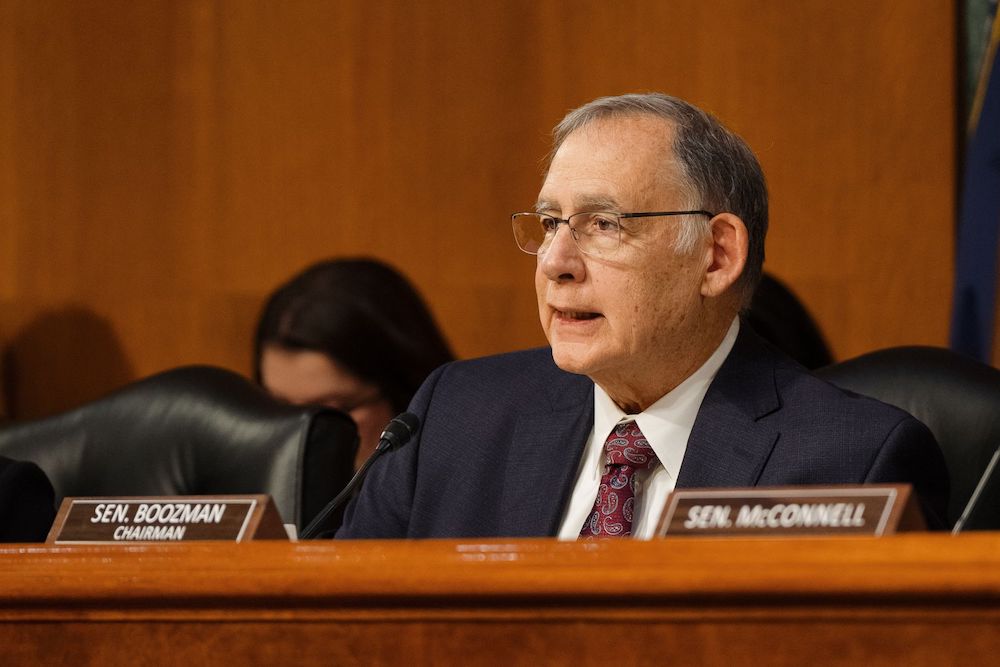
The Agricultural Act of 2026, released by Sen. John Boozman, R‑Ark., would expand tribal eligibility for a range of conservation, forestry and rural development programs. But it does not include proposals that would allow tribes to administer more USDA programs themselves through self-determination contracts, an approach tribal advocates say would improve local decision-making and reduce reliance on federal agencies.
Among the omitted provisions are expanded self-determination authority for the Food Distribution Program on Indian Reservations, which provides USDA foods to income-eligible households in tribal communities; reauthorization of a tribal forestry self-determination pilot program; and a House proposal to expand tribal participation in additional federal food purchasing programs.
The Native Farm Bill Coalition said those provisions have been among its top priorities because they would give tribes greater authority over how federal food and forestry programs are managed, rather than simply expanding tribal eligibility to participate in them.
Kayla Gebeck, a principal at Giizhik Law PLLC and a policy expert with the coalition, said the group welcomed expanded tribal inclusion in many programs. However, she said the coalition remains concerned about the removal of the so-called “638 demonstration projects” — named for Public Law 93-638, which allows tribes to administer certain federal programs through self-determination contracts rather than direct federal management.
“Every single one of those programs was gone — whether that’s the Tribal Woodsource Protection Act, the FDPIR demonstration program or even the new pilot program in the House bill for the Commodity Supplemental Food Program,” Gebeck said. “With those gone, it impacts things we have long been working on.”
Gebeck noted that the coalition has been working with the offices of Sen. John Hoeven, R‑N.D., Sen. Tina Smith, D‑Minn., and Sen. Lisa Murkowski, R‑Alaska, to push for FDPIR 638 authority in the Senate draft. Cost estimates from the Congressional Budget Office — which the NFBC contends are incorrect — have been a central obstacle in those discussions, Gebeck said.
Cole Miller, tribal chairman of the Shakopee Mdewakanton Sioux Community and co‑chair of the coalition, said the draft represents progress after months of delay but does not resolve the coalition's core concerns around tribal self‑governance.
“The FDPIR 638 issues are not being laid out there the way we would want it, or the way we expect it,” Miller said. “We're still frustrated and still have some concerns going forward, but we are happy to see some language finally released.”
Still, the coalition praised several provisions that respond to disruptions in the federal distribution system that provide USDA foods to tribal communities.
Miller praised Sec. 4101 of the bill, which would require USDA to codify emergency contract measures in the wake of breakdowns in food distribution supply chains in 2024 and early 2025. The bill, introduced by Sen. Deb Fischer, R‑Neb., and Sen. Tina Smith, D‑Minn., defines supply chain disruptions, sets timelines for USDA action and authorizes reimbursement for tribes that use their own funds during future disruptions.
Those breakdowns, which disrupted food deliveries to tribal communities across the country, stemmed from changes in warehousing and distribution that collapsed much of FDPIR’s workload onto a vendor not prepared for the burden, according to prior Tribal Business News reporting.
Miller said the recent breakdown in the FDPIR supply chain exposed vulnerabilities that must be addressed in statute. He said tribes also need a stronger voice in USDA tribal contracting decisions to reduce the risk of future disruptions.
“By really respecting tribal sovereignty and our self‑governance, it is not just a step in the right direction — it's also what is necessary to make this successful,” Miller said. “That supply chain breakdown cannot happen again.”
Gebeck said the legislation would keep the ball squarely in USDA’s court both in terms of solving supply chain issues and preventing tribes from paying for it.
“It clearly directs the USDA to ensure that if something like this happens again, the tribes do not bear the financial burden,” Gebeck said. “That is a critical change from what happened during the last crisis.”
The bill faces a steep climb in the Senate, Gebeck said. During the NFBC’s meetings with Senate Democrats, legislators indicated that contentious cuts to the Supplemental Nutrition Assistance Program — or SNAP — would stymie Democratic support, potentially scuppering the bill without further changes.
“It will really come down to whether they're willing to negotiate on SNAP and whether we get that done,” Gebeck said. “If that is not the case and we don't make progress on FDPIR 638, the coalition will be very much looking for an extension of the current authority.”