- Details
- By Brian Edwards
- Native Contracting
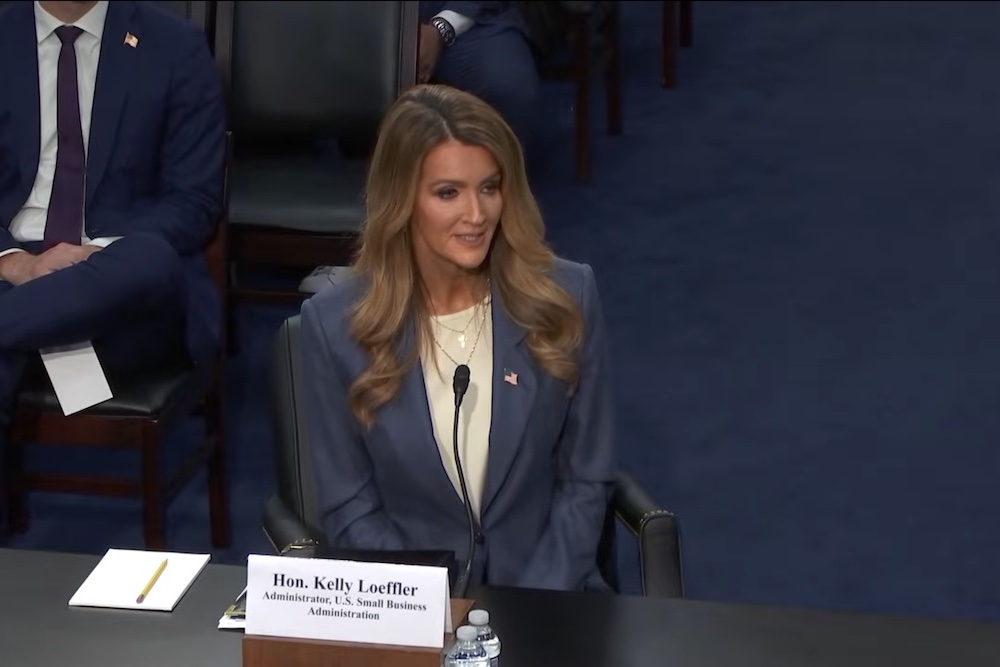
Tribal participation in the U.S. Small Business Administration's 8(a) Business Development Program took center stage Tuesday as lawmakers pressed SBA Administrator Kelly Loeffler on a months-long slowdown in application approvals, a sweeping audit of the program and the administration's plans for future reforms.
During a House Appropriations subcommittee oversight hearing, Rep. Tom Cole, R-Okla., repeatedly emphasized that tribally owned 8(a) companies occupy a distinct legal and policy position from other program participants because contract revenues fund essential tribal government services rather than private shareholders.
“Tribal participation in the 8(a) program is different from any other participation,” Cole said, noting that revenues generated through tribal 8(a) firms support health care, housing, child development, public safety and other governmental services. He added that Native participation is “an expression of Congress's constitutional authority and legal relationship between the United States and Tribal Nations — not a handout or pass-through.”
Cole said delays in processing new 8(a) applications have had significant consequences for tribal governments and Native enterprises, noting that some applications have remained pending for more than a year despite a statutory 90-day review period.
Loeffler attributed the slowdown to a comprehensive review of what she described as a program that had not been audited during its roughly 50-year history.
“When we came in on day one, that program we realized had been being used by the Biden administration to expand political influence,” Loeffler said. She said SBA expanded participation from roughly 2,000 firms to more than 4,300, requiring the agency to review the program and request three years of financial statements from every participant.
According to Loeffler, nearly 1,000 firms declined to provide the requested information and about 736 subsequently exited the program after collectively receiving approximately $5.5 billion in contracts. She said the agency's goal is to ensure the program serves “the deserving entities and small businesses that compete for these federal contracts.”
Cole voiced support for rooting out fraud, but urged the agency to restore timely processing for legitimate applicants.
“There’s an awful lot of legitimate businesses in here too that have been delayed,” he said, asking when SBA expects to eliminate the backlog.
Loeffler said the agency closed the public comment period Monday on proposed reforms to the 8(a) program and expects to respond to approximately 180 comment letters before resuming normal operations.
Loeffler said she was “hopeful within the next couple months” the agency could return to processing applications on schedule.
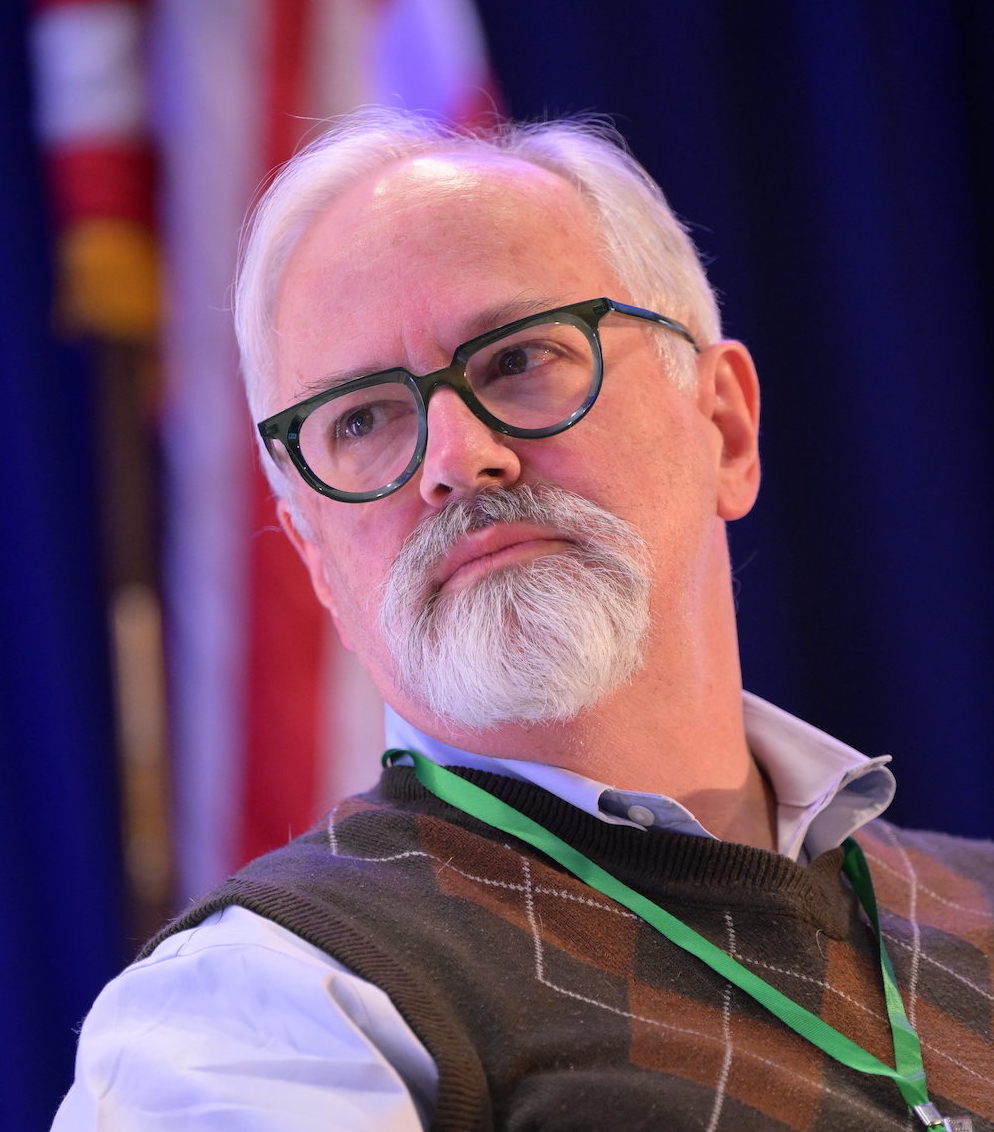
Quinton Carroll, executive director of the Native American Contractors Association, said tribes will be watching whether the agency follows through.
“Resuming 8(a) application approvals would send a strong signal that the Small Business Administration is following the statute and regulations governing the program and providing greater certainty to Tribal and Native-owned businesses,” Carroll told Tribal Business News. “After nearly a year without a single approval, restarting the process would help restore confidence in this vital economic development program, which supports Native communities while providing critical capabilities and services in support of U.S. government operations.”
Cole also sought assurances that tribes, Alaska Native Corporations and Native Hawaiian Organizations would not be swept into enforcement efforts aimed at other participants. He noted that tribal entities operate under different statutory rules than individually owned 8(a) firms and are not subject to the same ownership and net-worth limitations.
Loeffler said SBA recognizes those distinctions.
“We understand that distinction,” she said, while adding that the agency intends to continue pursuing fraud involving the program and cited recent federal contracting investigations as examples of improper conduct.
Later, Rep. Glenn Ivey, D-Md., raised concerns about what he said was a decline in federal contract dollars flowing to Native businesses, saying, “Contract dollars for Native American, Alaskan Native, and Native Hawaiian-owned small businesses are down 19%.”
He also questioned a reported increase in contract terminations affecting 8(a) firms and other small business categories.
Loeffler responded that SBA exceeded the government's overall small-business contracting goals in fiscal 2025 but said contract terminations are made by procuring agencies rather than SBA.
When Ivey argued that contracts should not be canceled simply because administrations change, Loeffler replied that agencies determine the reasons for terminating individual contracts, while noting SBA itself had canceled hundreds of what she characterized as unused or wasteful internal contracts after she took office.
Despite sharp disagreements over the administration's handling of the program, lawmakers from both parties agreed the 8(a) program remains a critical economic engine for Indian Country. Cole noted that Native federal contracting supports more than 125,000 jobs nationwide and remains the second-largest economic driver for many tribal communities.