


- Details
- By Jamie Miller, Special to Tribal Business News
- Economic Development
When Emily Edenshaw feels stuck, she returns to a piece of advice from an elder: if you’re spinning your wheels in the mud, get out and walk.
That mindset reflects a path shaped by reconnection and recovery. As a child, Edenshaw didn’t know she was an Alaska Native, a gap rooted in her family’s history of forced adoption and cultural disconnection. Years later, that experience — along with personal loss — informs how she approaches leadership.
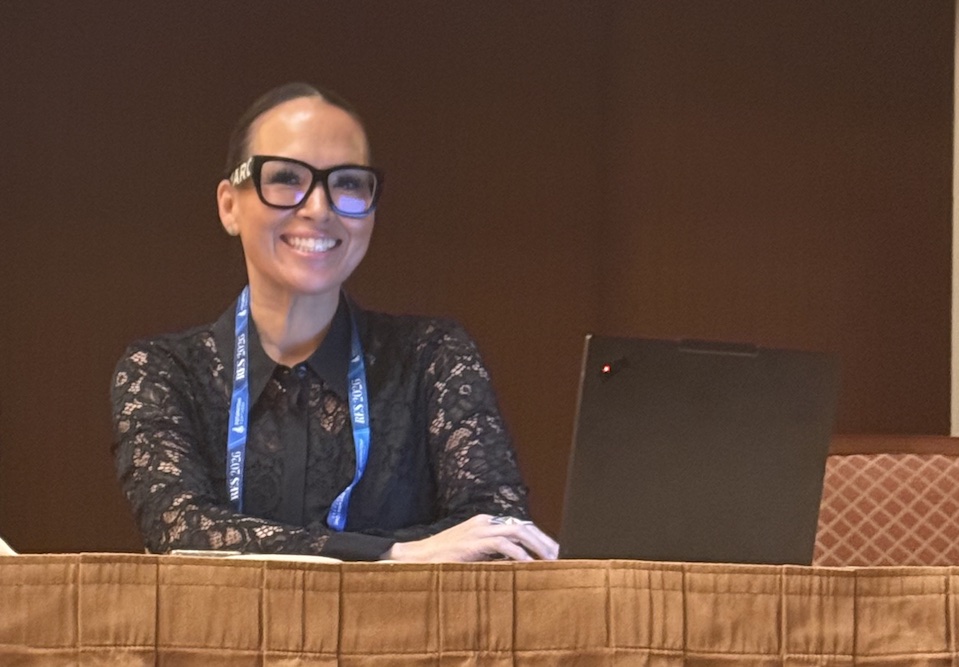
Now, tribal administrator and CEO of the Ketchikan Indian Community, Edenshaw oversees health care, housing and social services while working to expand culturally grounded treatment and workforce opportunities. She is also completing a Ph.D. at University of Alaska Fairbands focused on healing from generational trauma.
This conversation has been edited for clarity and brevity.
Can you describe your background and what led you to your role at KIC?
My journey here is not typical. I didn’t even know I was an Alaska Native until I was in grade school, and I didn’t know what it meant. I didn’t know the responsibility that I had to my community.
My mom was part of a forced adoption by a non-Native family, and she didn’t know what it meant to be part of the Alaska Native community. I think ultimately, a lot of the struggles that she dealt with were a symptom of that. I think in large part the reason why I’ve been so dedicated to restoring connections is because I knew the impact that it had on my mom.
It has taken years of healing and intentional work just to be reconnected to who I am. I think doing that has been a conduit for healing.
How has your personal and generational experience shaped your leadership?
All of us have hardships. For myself, I was raised with every abuse imaginable…for me it is trying to turn those struggles into a source of strength.
When my first husband was killed in a motorcycle accident and I decided to go back to school, I was living at the library. My friends were going out, having fun and I was there. As a leader, you have to understand you make sacrifices. [I make sacrifices because] I really fundamentally believe in my core that I belong to my community. Everything I do is for my community.
What are the major initiatives you are leading now?
At KIC, we were the first tribe in the nation to take over our health care system. We operate our own housing authority, our own clinic and our own cold-weather shelter.
Currently, the biggest initiative is called Salmon Falls. We went through denials for 6 months and finally got approval this month. It’s been our strategic plan to stand up a tribally led treatment center here because right now in order for people to get care they have to go far away. We know when you heal in the community you are from, the success rate is much greater.
Can you explain that approach?
We have inherited a definition of what a treatment center is. Well, we are getting to redefine what treatment looks like from an Indigenous lens … say, for instance, if I have a family member that comes in and part of their treatment plan is, you want to be on the water, you’ve never canoed in your life — you’re going to do a canoe journey.
We will be using the land as a resource as part of treatment, and being able to restore those connections that have been severed. We also will be incorporating workforce development but it's all grounded in the mission to help heal our community.
Was there a moment or advice that helped you push through challenges?
I was talking to this elder and I said, “I feel like I’m spinning my wheels in the mud, like I’m not getting anywhere.” And she looked at me with this beautiful, serious look on her face, and she said, “If you feel like you’re spinning your wheels in the mud, then get out and walk.”
I’ve always kept that close to my heart, because when I feel like I’m defeated, (I ask myself), “Where can I walk? How can I walk?”
In Service is a new recurring series that highlights Native executives in professional services — law, banking, accounting, consulting, nonprofits and related fields — who work with tribes, tribal enterprises and Indigenous entrepreneurs. Know someone who should be featured? Contact [email protected].