- Details
- By Chez Oxendine
- Economic Development
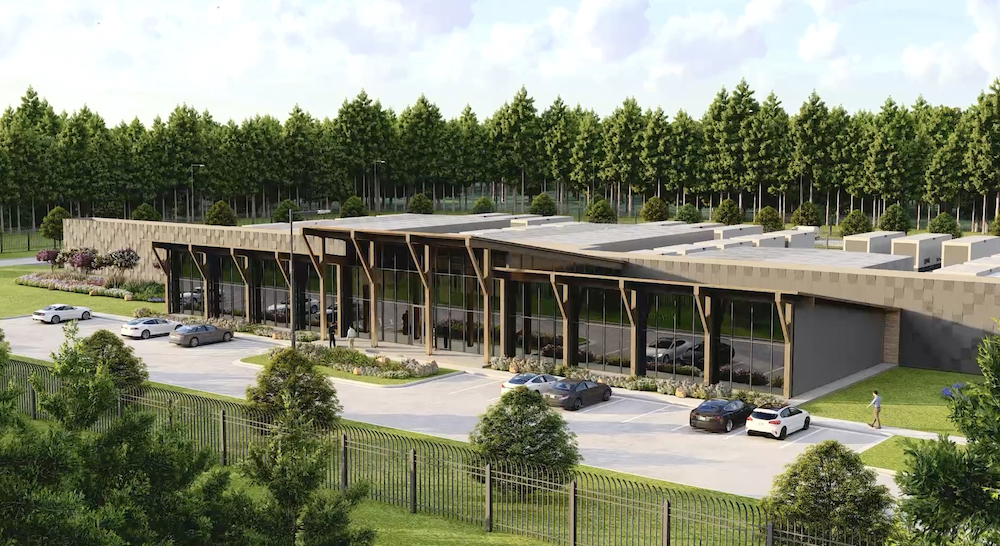
The Quinault Indian Nation has begun construction on Washington’s first subsea cable landing station built in more than 25 years, with Amazon Web Services as its first customer.
The project is led by Toptana Technologies, a tribally owned telecommunications company created by the Quinault Indian Nation. Tribal leaders say the venture began as a response to the digital divide on the reservation, then expanded into a broader effort to establish long‑term digital infrastructure on the Washington coast.
The facility is designed to support multiple transpacific cable systems and connect directly to a 200‑mile fiber backbone running between Seattle and Hillsboro, Ore. That node reaches into the wider United States, providing a port of call for customers using subsea cabling to bring in intercontinental traffic.
The milestone follows several years of groundwork. Toptana and its partners completed a feasibility study to validate the site, built the north–south fiber route before beginning construction on the landing station and worked through a multi-year permitting process that included river crossings, U.S. Army Corps of Engineers approvals and a Class IV forest practices conversion.
Washington had not landed a new subsea cable since 1999, and tribal leaders say clearing those hurdles was essential to opening the coast to new systems. Jeff Capoeman, Jr., chairman of Toptana, told Tribal Business News the cable landing station would become important infrastructure for both the tribe and the region.
“This is a mechanism to establish a relationship with the rest of the digital world and the global economy as a whole, rather than being a bystander,” Capoeman said. “It's both growth, diversification, and realistically, it's an enhancement of the Nation's sovereignty.”
The Sta’O’Nuk cable, owned by Amazon Web Services, will be the first system to land at the site and is expected to become operational in 2029. The name comes from the Quinault language, meaning “lightning serpent,” and was granted to AWS with cultural permission, according to a news release from Assured Communications and Toptana.
Jeff Ogren, Toptana’s general manager, said the company designed the project to simplify the process of landing subsea cables and connecting them to fiber networks. He said Sta’O’Nuk cable will have nearly as much capacity as Washington’s existing fiber network.
“These subsea cables are not a trivial kind of thing to design, engineer, fund and then implement and deploy all the way across an ocean,” Ogren said. “We created an ‘easy button’ for our customers for getting them connected and moving inland.”
That model includes offshore bores, a fully built landing station and a backhaul network that intersects major fiber rings in Seattle and Hillsboro. Ogren said the team built the backbone early so customers would have a clear path inland once the landing station comes online.
“You can imagine the impact on the GDP not only to the local community on the reservation and Grays Harbor County itself, but the state is going to receive significant GDP growth as a result of these cables,” Ogren said. “This is where the digital economy rides — on these subsea cables that connect one continent to another.”
Assured Communications serves as Toptana’s strategic partner and program manager, guiding the project from feasibility through construction. ESA Environmental handled permitting and environmental review, working closely with Quinault fisheries officials and county regulators. Highland Associates designed the landing station. Mox Networks built the north–south backbone and is constructing the east–west route that will connect Ocean Shores to the existing fiber corridor.
The landing station sits on tribally owned fee land in unincorporated Grays Harbor County, outside the Quinault reservation. That status placed the project under county jurisdiction and made it eligible for a Washington sales-and-use tax exemption enacted through SHB 1711. The exemption is valued at up to $8 million and covers building materials, telecom equipment, and construction labor. The exemption expires Jan. 1, 2030.
The Quinault Indian Nation declined to disclose the details of the project’s financing. A fiscal note prepared for SHB 1711 in May 2023 estimated the project’s cost at $90 million, though the tribe has not disclosed a current construction budget.
Prior Tribal Business News reporting indicated the Nation initially planned to finance the project itself, with tribal leaders describing federal grants as a future opportunity rather than a part of the initial financing plan for the build. No federal grants or state capital appropriations appear in the project’s environmental filings or legislative records. The exemption is the only confirmed state support.
The landing station’s footprint includes a five‑acre facility, a paved access road, and conduits trenched along the route to State Route 109. Toptana plans to fill all four cable slots at the landing station. Tribal leaders say they are already in active discussions with additional customers and are considering how the Nation may expand its digital infrastructure portfolio once the initial build is complete.
“We're almost at the juncture where we need to consider where the tribe goes from here,” Capoeman said. “Through Toptana, we're building infrastructure that creates long‑term economic opportunity while strengthening Washington's role in the global digital economy.”
Brian Edwards contributed reporting.