


- Details
- By Native StoryLab
- Sponsored Storytelling
Sponsored Storytelling. Tribal governments invest millions of dollars in clinics, administrative buildings, public safety facilities and other community infrastructure. Before leaders decide what to build next, however, they first need to understand the condition of what they already own.
That is where Facility Condition Assessments (FCAs) are becoming an increasingly important planning tool under the Section 105(l) program. Rather than serving as inspection reports, FCAs help Tribal leaders understand the condition of their infrastructure, plan for future capital needs and document the future replacement costs that support Section 105(l) reserve planning.
For many Tribal Organizations, the value extends beyond better maintenance. By helping quantify future capital replacement needs, Facility Condition Assessments can support optimized Section 105(l) lease reimbursement, creating a more predictable source of funding for replacing major building systems before they fail.
For Tribes and Tribal Organizations managing everything from healthcare campuses to community centers, schools and administrative offices, that shift can mean moving from reactive maintenance to long-term lifecycle planning.
The challenge, said Shad Schoppert, director of facilities and engineering at Tribal Development Partners, often isn't knowing that a roof, boiler or HVAC system will eventually need replacement. It's having the funding available when that time comes.
"One of the biggest struggles in Indian Country is not having the cash to replace major building systems when they wear out," Schoppert said. "There's almost always the desire to maintain facilities. What organizations often don't have is the funding available at the right time."
Schoppert spent much of his career overseeing healthcare facilities in Indian Country, including serving as facilities director for the Alaska Native Tribal Health Consortium, where he managed nearly 1 million square feet of facilities, including the Alaska Native Medical Center. That experience, he said, reinforced that successful facility management depends as much on long-term financial planning as it does on maintaining buildings.
From reactive maintenance to lifecycle planning
Every building has a lifecycle.
Roofs eventually need replacement. Boilers age. HVAC systems, flooring and electrical equipment all have predictable service lives. Without a long-term plan, organizations often postpone replacing those assets until they fail, increasing repair costs, disrupting services and creating larger capital expenses.
"The cost of replacing a roof that has failed versus replacing a roof that has simply reached the end of its useful life can be substantial," said Tyler Goldade, Facility Condition Assessment program manager at Tribal Development Partners. Goldade has over 30 years of commercial and residential construction experience, including serving as chief operating officer, before joining TDP to launch its FCA program.
A leaking roof, for example, may reveal hidden structural damage that developed over several years, turning what could have been a scheduled replacement into a much larger construction project.
Facility Condition Assessments are designed to identify those replacement needs before they become emergencies.
Instead of asking what needs to be repaired today, Tribal leaders can begin planning what systems will require investment over the next five, 10 or even 20 years.
Supporting long-term stewardship
That information supports far more than maintenance schedules.
For Tribal chairs, CEOs, health directors and finance teams, Facility Condition Assessments create a common set of data for budgeting, reserve planning, capital improvement decisions and long-term asset management. Rather than relying on anecdotal reports or deferred maintenance lists, leadership gains a documented inventory of building systems, their condition and projected replacement timelines.
The assessments also support Section 105(l) lease planning.
As explained in Tribal Business News, Section 105(l) allows Tribes and Tribal Organizations operating eligible federal programs to recover certain facility-related costs, including reserves for future capital replacement.
Facility Condition Assessments help quantify those future replacement costs so they can be incorporated into reserve planning. When those reserves are included in a Section 105(l) lease, Tribal Organizations can establish a more predictable funding stream for replacing major building systems before they fail rather than scrambling to secure funding after an emergency.
Schoppert said detailed facility assessments help document those future replacement needs while also providing organizations with a roadmap for maintaining infrastructure throughout its lifecycle.
"The goal isn't simply to estimate future costs," Schoppert said. "It's to give Tribes the ability to maintain facilities in like-new condition over their useful life."
Better data, better decisions
Beyond reserve planning, the assessments create digital records of facilities that can support future renovations, maintenance planning and equipment management.
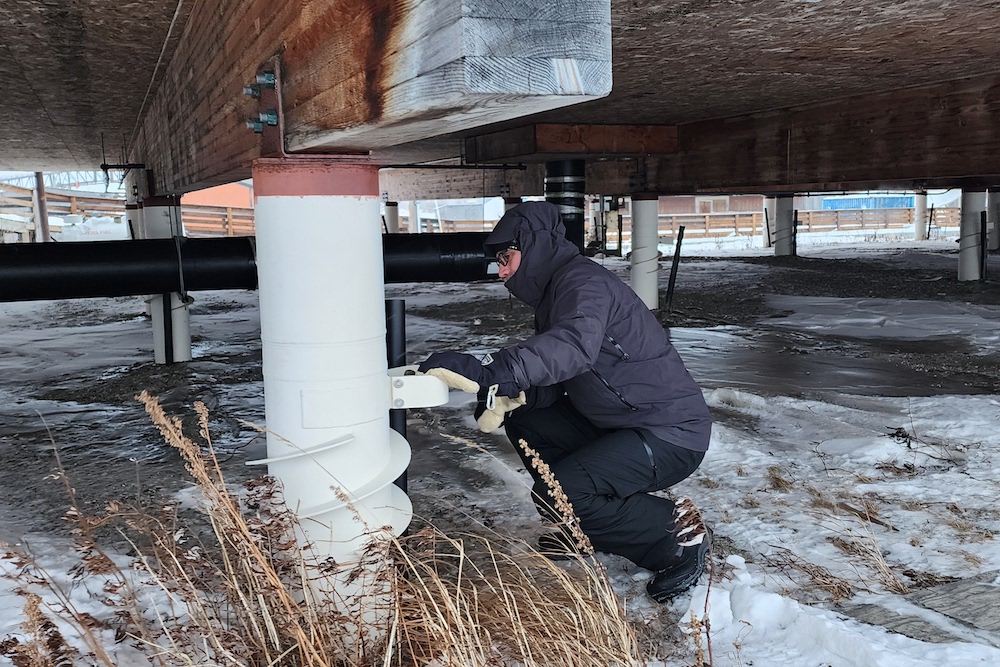
For organizations operating multiple facilities across large geographic areas, including remote healthcare clinics in Alaska, digital building records can reduce travel, improve project planning and provide facility managers with better information before work begins.
"A digital facility record means our clients aren't starting from scratch every time a system needs attention," Goldade said. "For an organization managing a clinic in a remote part of Alaska, having accurate, up-to-date facility data can save weeks of travel and guesswork."
Just as importantly, the information helps leadership shift from responding to infrastructure failures toward managing assets strategically.
"We're trying to move organizations from a reactive maintenance model to a proactive maintenance model," Schoppert said. "Instead of constantly fighting emergencies, they can address building systems before they fail."
For Tribal governments balancing limited resources with growing infrastructure needs, that represents a broader shift in thinking. Infrastructure stewardship is no longer simply about fixing buildings. It is also about creating a sustainable financial strategy for maintaining them. It is about understanding the full lifecycle of community assets, planning for future investment and ensuring infrastructure continues supporting Tribal citizens for decades to come.
"This isn't just about avoiding the next emergency," Schoppert said. "It's about giving Tribal leadership the confidence that their facilities will still be serving their communities the way they intended, twenty or thirty years from now."
Tribal Development Partners is a Native-led firm that structures federal obligations to reflect Tribal priorities. The company supports infrastructure development and long-term facility management, with a focus on optimizing Section 105(l) programs. For more information, email [email protected] or call 1-855-TDP-105L.
DISCLOSURE: This article is sponsored content created by Native Story Lab for Tribal Development Partners. It was created and published as part of a paid partnership and was not reported by the Tribal Business News editorial team.